How to Make Your Gun Safe More Secure in 5 Steps
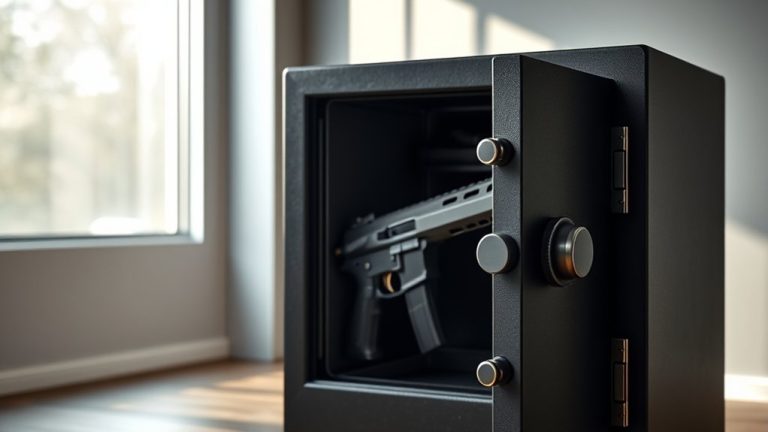
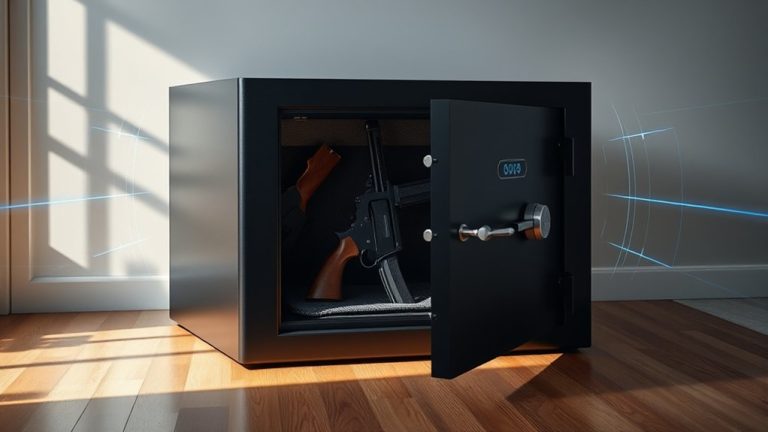
To make your gun safe more secure, start by bolting it down in a strong, hidden spot using quality bolts. Choose a lock type that suits your needs, like biometric or combination locks, for reliable protection.
Limit access strictly to trusted adults and keep access information confidential. Update your security regularly by changing combinations and inspecting locks.
Control humidity inside with dehumidifiers to prevent damage. These steps create a solid foundation for safeguarding your firearms, with deeper strategies available for enhanced security.
Bolt Your Gun Safe to Prevent Theft
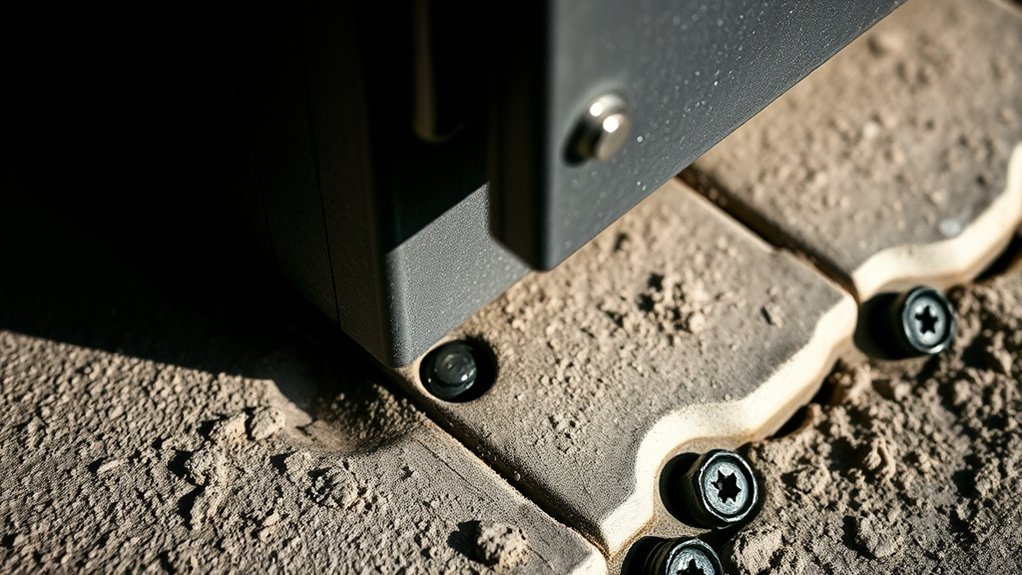
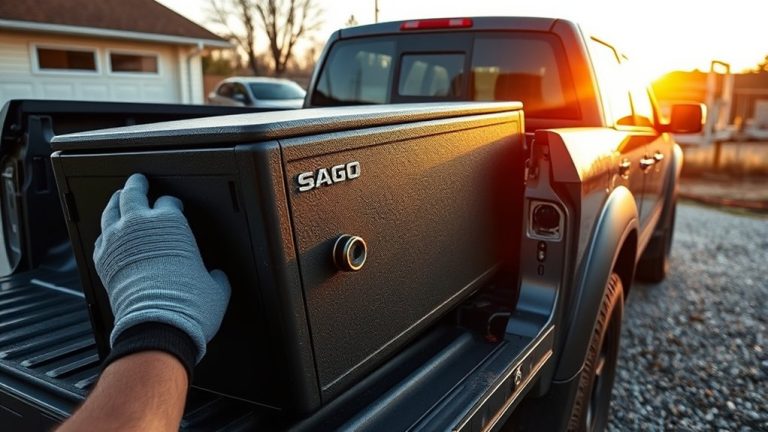
When you bolt your gun safe to the floor or wall, you greatly reduce the risk of theft by preventing intruders from easily removing it from your home.
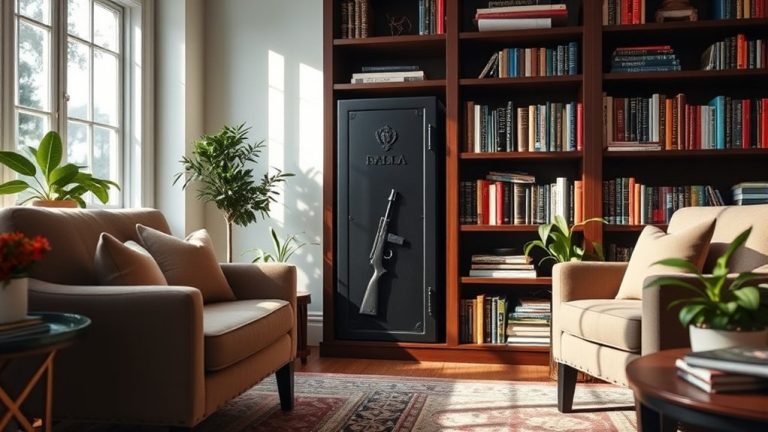
To guarantee secure storage and effective theft prevention, choose a discreet location that supports the safe’s weight and allows easy access for authorized users.
Always bolt your gun safe with high-quality bolts and anchors designed for heavy loads. This enhances stability and firearm safety.
Regular inspections of the bolting system are vital because wear and tear can weaken your defenses over time.
By combining proper placement, durable hardware, and routine maintenance, you create a robust barrier against theft that protects your firearms and maintains peace of mind.
Plus, you won’t have to worry about compromising accessibility or safety.
Choose the Best Lock Type for Your Gun Safe
How do you guarantee your gun safe offers the right balance of security and convenient access? Choosing the best lock type is essential to secure your firearm effectively.
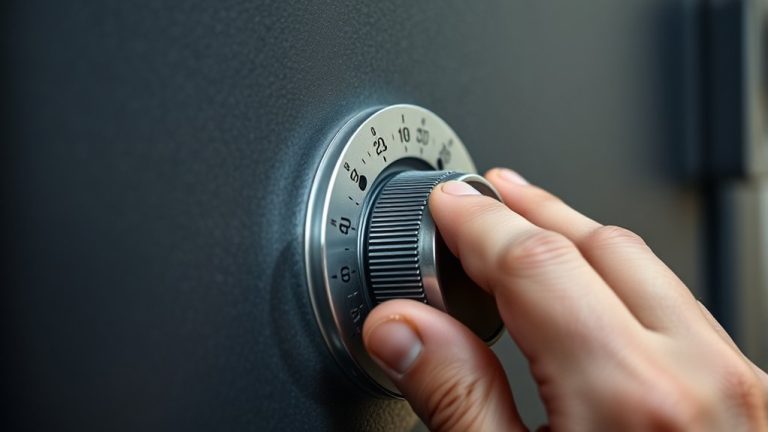
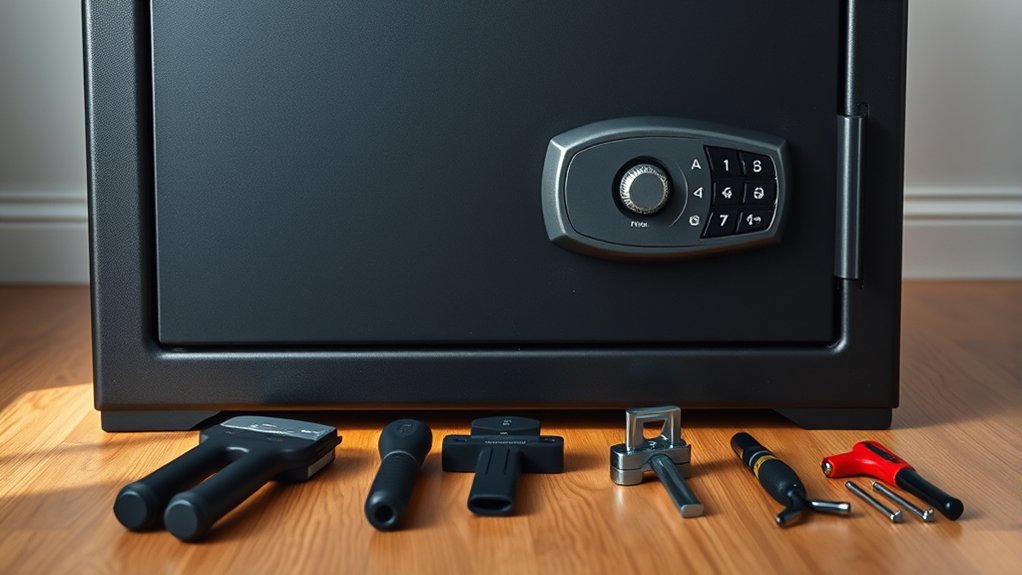
Combination Locks provide reliable security with anti-drill features and quick access through a specific code sequence.
Combination locks offer dependable protection with anti-drill safeguards and fast entry via a unique code.
Electronic Locks enhance speed and security, often including tamper alerts and backup keys.
Biometric Locks offer swift, fingerprint-based access, preventing unauthorized entry and increasing convenience.
Key Locks, while simple, are best paired with other lock types due to vulnerability to picking.
Smart Locks integrate with home security, enabling remote monitoring and alerts via smartphone.
Assess your needs and environment to select a lock type that guarantees your gun safe is both accessible to you and secure against unauthorized access.
It’s all about finding what works best for you.
Limit Access to Your Gun Safe
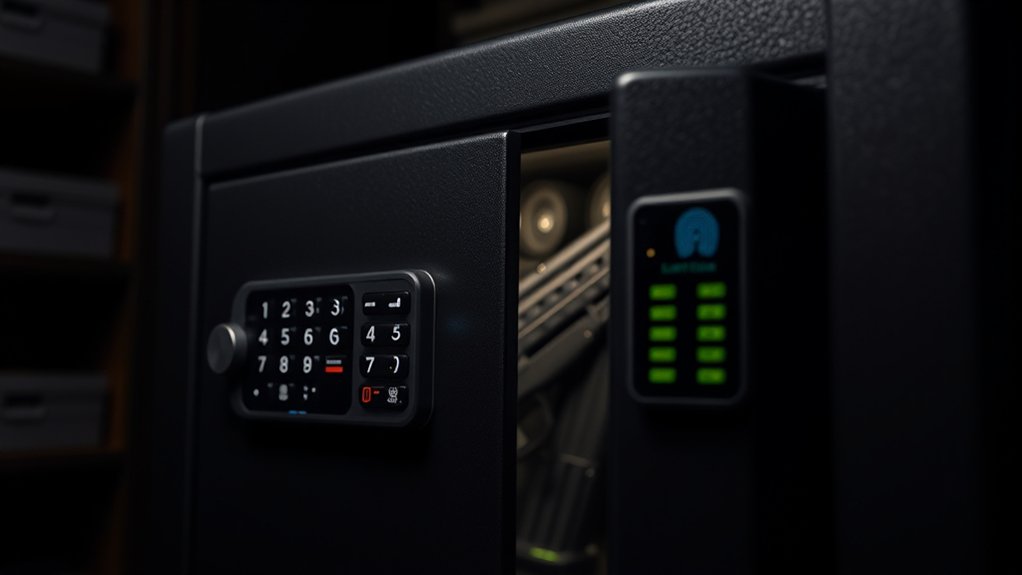
Selecting the right lock type is only part of securing your gun safe. Controlling who can access it is just as important. To store guns securely, you need to limit access strictly to trusted adults.
Use high-quality, tamper-resistant locks like biometric locks. These offer quick yet secure access through fingerprint recognition, which helps minimize unauthorized entry.
Keep your safe’s location and combination confidential so only responsible people know them. This reduces the risk of children or untrained users getting to a loaded firearm.
Also, place your gun safe in a discreet spot to deter theft and tampering. By actively managing who can access your gun safe, you make your firearms much safer and help maintain a secure household environment.
Regularly Update Your Gun Safe Security
Although securing your gun safe initially is essential, maintaining that security requires regular updates to your safe’s settings and hardware. You should change the combination every six months or immediately after any suspected breach to prevent unauthorized access.
It’s also a good idea to conduct periodic audits of your firearm inventory and storage conditions to make sure everything remains secure and accounted for.
Consider upgrading your locking mechanism to biometric or smart locks. These provide faster, more reliable access and better security compared to traditional locks.
Don’t forget to routinely inspect the bolting system and ensure the safe is firmly anchored to the floor. This helps deter theft or tampering.
Staying informed about advances in gun safe technology lets you implement improvements that better protect your firearms and keep your storage secure over time.
Keep Humidity Low Inside Your Gun Safe
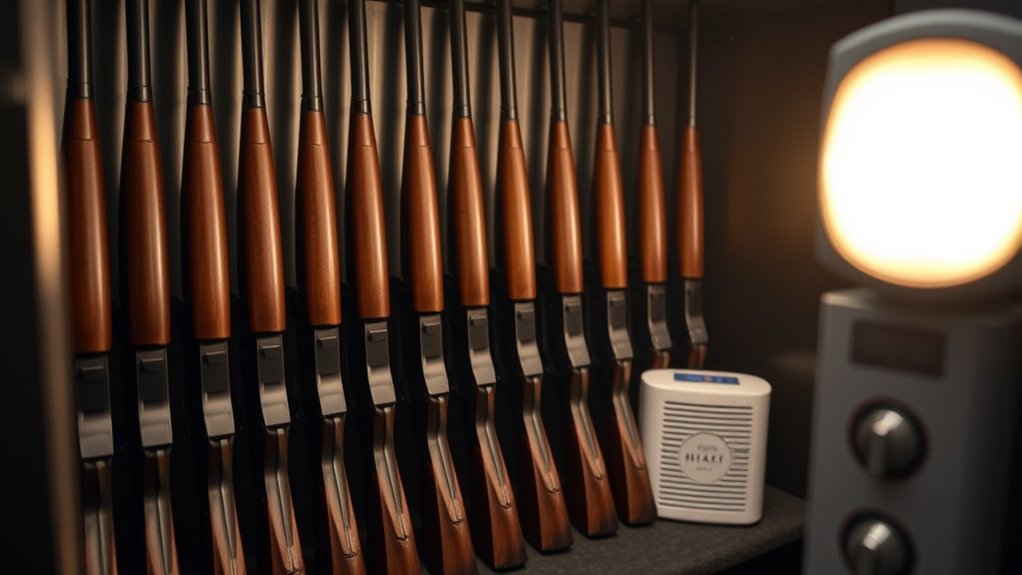
Since moisture can cause significant damage to your firearms, keeping humidity levels inside your gun safe at or below 50% is essential. Proper gun storage requires controlling humidity to prevent moisture-related damage such as rust and corrosion.
Use a dehumidifier or silica gel packs like Liberty Safe Hydrosorbent Silica Gel to absorb excess moisture effectively.
Installing a hygrometer inside your safe lets you monitor humidity levels accurately, ensuring peak firearm protection. Avoid non-breathable storage materials that trap moisture and promote rust. Instead, allow air circulation within the safe.
Regularly inspect your guns for signs of humidity damage, especially if you live in a humid climate.
Frequently Asked Questions
How Often Should I Clean the Interior of My Gun Safe?
You should clean the interior of your gun safe at least every six months to keep it in great shape. This helps remove dust effectively and controls moisture, which stops rust and damage from building up.
Use a dry microfiber cloth and make sure to check the corners carefully. Applying protective coatings can give your firearms some extra protection.
Also, don’t forget to look over your shelves and dividers for any wear. Keeping everything organized helps your safe stay secure and neat.
Can I Use a Gun Safe for Other Valuables Besides Firearms?
Yes, you can use your gun safe for alternative storage of valuable documents, jewelry protection, emergency cash, electronics storage, and important heirlooms.
Gun safes provide secure, fire-resistant environments that keep these items safe from theft and damage.
By organizing your valuables thoughtfully, you maximize the safe’s utility and enhance your home’s overall security.
This makes your investment more versatile and guarantees peace of mind for all your essential possessions.
What’s the Best Way to Dispose of Old or Damaged Firearms?
The best firearm disposal methods involve following legal regulations overview to avoid penalties. You should contact local law enforcement for gun buyback initiatives or community exchange events, which often offer safe, no-cost disposal.
Licensed dealers can guide you through recycling programs options, ensuring compliance.
Always document the process and never abandon firearms. These steps maintain safe storage practices and protect your community by preventing unauthorized access or accidents.
Taking these precautions really makes a difference in keeping everyone safe.
Are There Specific Fireproof Ratings I Should Look for in a Gun Safe?
You should look for gun safes with fire rating standards of at least 30 minutes at 1,200°F to guarantee solid protection.
Pay attention to safe insulation materials, as quality fireproof safe features slow heat transfer and shield contents effectively.
UL certification importance can’t be overstated. It guarantees tested fire safety performance.
Always check safe temperature limits and follow fire safety tips to maximize your firearm protection during emergencies.
How Do I Reset a Biometric Lock if It Stops Recognizing My Fingerprint?
To reset your biometric lock when fingerprint recognition fails, start by locating the reset button. It’s usually on the back or side of the lock.
Make sure to follow the manufacturer’s resetting process carefully.
Also, clean the sensor regularly to avoid errors. Re-enroll your fingerprints multiple times to improve accuracy.
If your lock has backup keys or codes, use those troubleshooting methods when needed.
Keeping up with consistent maintenance and technology updates really helps.
This way, you can sustain biometric security and prevent recognition issues in the future. It’s all about staying on top of it!
Conclusion
By following these five steps, you’ll lock down your gun safe like Fort Knox, making theft nearly impossible. Bolting it down, picking the right lock, limiting access, updating security, and controlling humidity all work together to protect your valuables.
Don’t leave your safety to chance. Taking these precautions guarantees your firearms are secure and ready when you need them. Remember, an ounce of prevention is worth a pound of cure.