Should I Keep My Gun Loaded in My Safe?
You should weigh the benefits and risks before keeping your gun loaded in your safe. Loaded guns offer quick access during emergencies but also increase safety risks, legal liabilities, and the potential for corrosion.
Many jurisdictions require unloaded storage or locked containers, so it’s really important to know your local laws. Choose a secure safe that still allows easy access when you need it.
Make sure you maintain your firearm regularly to reduce risks. Understanding safe handling and storage will help you make the best decision for your safety and readiness.
Why Some People Store Loaded Guns in Safes
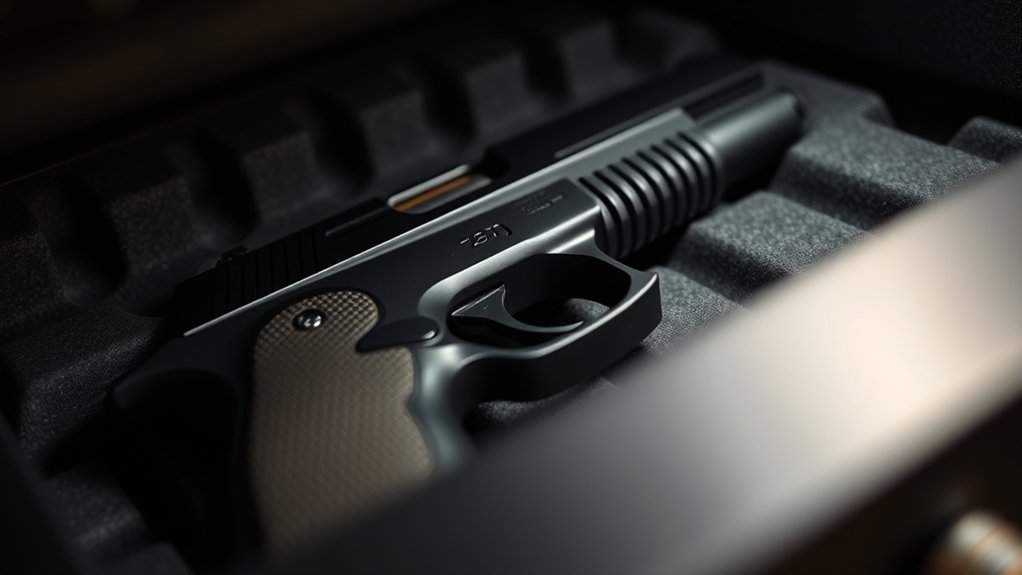
Although storing a loaded gun in a safe requires careful consideration, many people choose this method to guarantee immediate access during emergencies.
You understand that quick access can save vital seconds in self-defense situations, especially since law enforcement response times often exceed the duration of active threats.
Keeping your firearm loaded reduces the stress of loading under pressure and minimizes errors like forgetting to chamber a round.
From a gun safety perspective, storing a loaded gun properly can also lower the risk of accidental discharges by limiting manipulation when retrieving the weapon.
Many gun owners find that this approach increases their confidence in high-pressure scenarios.
It ensures they’re prepared to respond effectively without hesitation or delay.
The Safety Risks of Storing Loaded Guns
You need to think about the legal risks involved when storing a loaded gun.
If someone who isn’t authorized gets access, it could lead to serious liability.
Plus, keeping a firearm loaded for long periods might cause corrosion, which can affect how reliable it is.
Liability And Legal Risks
Twenty-eight states impose civil penalties when loaded firearms are accessed by unauthorized individuals due to negligent storage. You face significant liability and legal risks if your loaded gun isn’t stored properly.
Many jurisdictions require firearms to be unloaded and secured, with failure to comply resulting in fines or even criminal charges. Courts have held owners accountable in civil lawsuits when improper storage leads to accidents or unauthorized use.
To protect yourself and guarantee firearm safety, you must understand and follow local laws precisely. Using a secure safe and adhering to legal guidelines reduces your liability risks.
Remember, responsible storage not only prevents accidents but also helps you stay within the law. This way, you can avoid costly legal consequences tied to negligent firearm storage.
It’s really about keeping yourself and others safe while staying on the right side of the law.
Corrosion And Maintenance Concerns
Beyond legal responsibilities, storing a loaded gun brings specific maintenance challenges that can affect both safety and reliability.
Ammunition inside the firearm can increase corrosion risks, especially in humid or salty environments. Residues from firing may accelerate rust and degradation, potentially causing malfunctions when you need the gun most.
To minimize corrosion, you should perform regular maintenance, including thorough cleaning and lubrication, even if the gun hasn’t been used recently.
Storing firearms unloaded in controlled conditions reduces these risks and extends their lifespan.
Also, you need to inspect and rotate your stored ammunition periodically, as deteriorating cartridges can compromise safety and functionality.
Prioritizing proper care helps guarantee your firearm remains reliable and safe, avoiding the hidden dangers linked to storing loaded guns.
Loaded Gun Storage Laws You Must Know
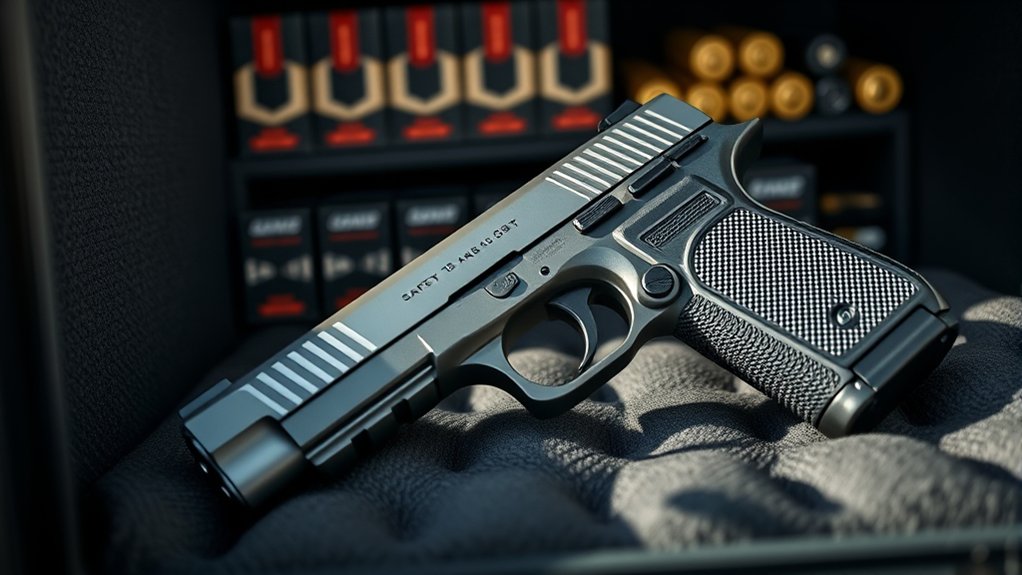
You definitely need to know your state’s specific requirements for storing loaded guns because many places have strict rules about how firearms must be secured.
It’s not just a suggestion—some states hold you legally responsible if someone else accesses your weapon without permission. This can lead to serious consequences.
So, staying informed about these laws isn’t just about following the rules; it helps you store your gun safely and avoid any liability down the road.
It’s always better to be safe and prepared!
Legal Storage Requirements
Although gun owners may prefer quick access to their firearms, many jurisdictions require specific storage methods to prevent unauthorized use. Legal storage requirements vary, with some states mandating that guns be stored unloaded unless you have a concealed carry permit.
For example, California requires firearms to be kept in locked containers or secured with DOJ-approved safety devices.
Understanding and following your local laws is essential to guarantee firearms safety and avoid civil or criminal penalties. Violating these regulations can lead to serious legal consequences, including lawsuits.
By complying with legal storage requirements, you reduce the risk of accidents and unauthorized access.
Always stay informed about the firearms safety rules in your area to protect yourself and others responsibly.
State Liability Regulations
Understanding the legal storage requirements is only part of the picture when it comes to responsible firearm ownership. You must also be aware of state liability regulations that hold you accountable if unauthorized individuals, especially children, access your firearm due to improper storage.
In 28 states, these liability laws can lead to fines, civil lawsuits, or even criminal charges if negligent storage results in harm. For example, California requires you to store your firearms unloaded unless you have a concealed carry permit.
To guarantee gun safety and avoid legal trouble, you need to understand and comply with your state’s specific liability laws. Properly storing your firearms isn’t just about following the law. It’s about protecting others and yourself from serious consequences.
How to Choose the Best Safe for Loaded Guns
Selecting a firearm safe involves balancing security features with quick accessibility, especially when storing loaded guns. You should prioritize safes designed specifically for firearms that offer fireproof and burglar-proof protection.
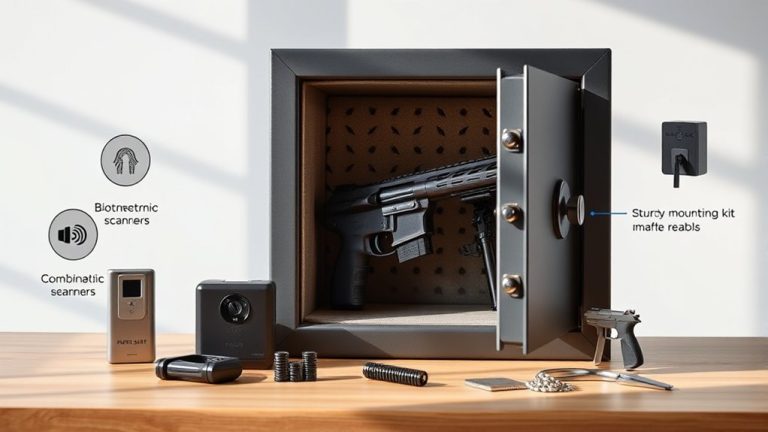
Look for reliable locking mechanisms like biometric or keypad locks to guarantee fast access without compromising security.
Prioritize biometric or keypad locks for secure yet quick access to your firearm safe.
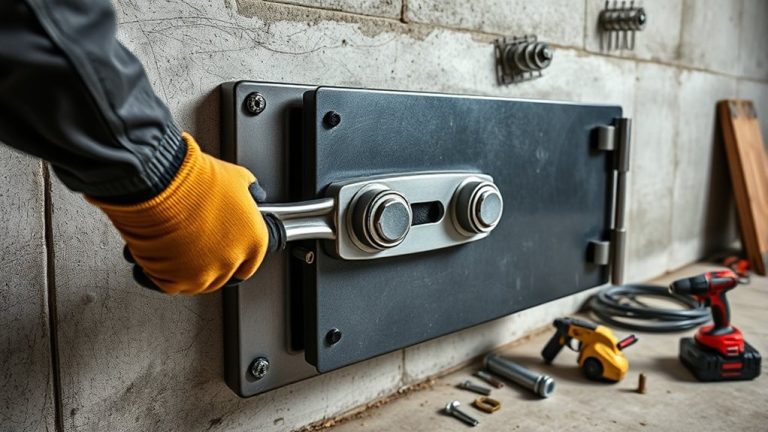
The safe’s size and weight matter too; it must fit your firearm collection and be placed securely away from bedrooms or busy areas.
Choose safes with UL and fire ratings to safeguard both guns and ammunition from damage. Regular maintenance and inspection are vital to keep your safe and firearms in good working order.
By considering these factors, you’ll select a safe that effectively protects your loaded guns while allowing responsible, timely access.
It’s all about finding the right balance between safety and convenience so you can feel confident and prepared.
Corrosion Risks When Storing Loaded Guns
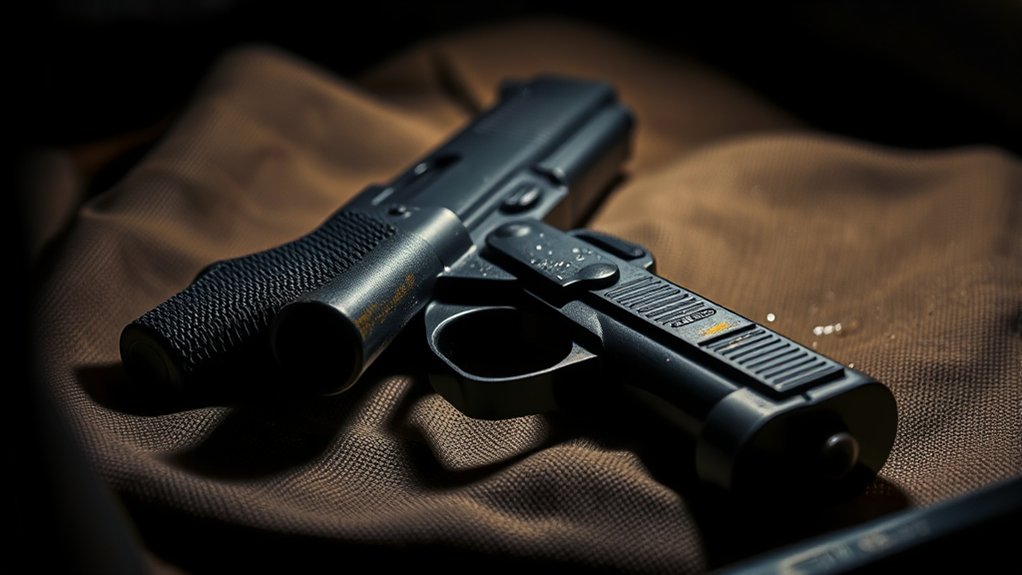
While choosing the right safe helps protect your loaded guns from theft and damage, you also need to think about how storing ammunition inside your firearms affects their condition.
Guns loaded with ammunition face a higher risk of corrosion because of exposure to moisture and environmental elements, even when kept in a safe and secure environment.
Corrosion can cause rust and residue buildup, which can lead to firearm malfunctions over time. Unloaded guns are less vulnerable to these issues, so they’ve a lower chance of degradation.
Plus, ammunition stored inside firearms may deteriorate, increasing the risk of leaks or failure.
To minimize corrosion risks when storing loaded guns, make sure your safe maintains low humidity.
It’s also important to perform regular inspections. Staying vigilant helps keep your firearms safe, secure, and reliable.
Maintaining Your Loaded Gun Safely
You should clean your loaded gun regularly to make sure it works reliably and to prevent any buildup that might cause it to malfunction.
Also, rotating your ammunition is a good idea—it helps keep your gun performing at its best and avoids using old or degraded rounds when you really need them.
On top of that, practicing safe handling consistently is key.
It keeps your skills sharp and lowers the chance of accidents, especially when you’re under pressure.
Regular Cleaning Essentials
Because residue from shooting can cause corrosion and malfunctions, regular cleaning of your loaded gun is essential to maintain its reliability and safety. Always perform cleaning with the gun unloaded to prevent accidents.
Use a cleaning kit suited to your firearm type, focusing on the barrel, action, and other critical parts.
Regular maintenance not only removes fouling but also helps identify wear or damage early. Follow the manufacturer’s guidelines closely, as each firearm may have unique cleaning requirements.
While cleaning, inspect your ammunition for any signs of corrosion or damage that could affect performance.
Proper cleaning routines protect your gun’s components and guarantee it functions correctly when you need it most.
Prioritize safety by handling all cleaning tasks carefully and deliberately. Taking your time with the process really pays off in the long run.
Ammunition Rotation Practices
Maintaining your loaded gun goes beyond cleaning; managing your ammunition properly plays a key role in safety and reliability. Implement ammunition rotation practices by replacing your rounds every six months to prevent deterioration and guarantee peak performance.
Always store ammunition in a cool, dry place using containers designed to shield against moisture and temperature changes.
Keep a close eye on expiration dates, since older ammunition can become unreliable or unsafe. Conduct routine inspections to detect corrosion or damage early.
When handling ammunition, follow safety precautions rigorously. Always unload guns before inspecting or rotating rounds.
Safe Handling Training
Three essential components of safe handling training will help you maintain your loaded gun securely: consistent cleaning and lubrication, mastering safe retrieval techniques, and understanding your firearm’s specific storage requirements.
Regular cleaning prevents corrosion and guarantees your firearm functions reliably, especially when stored loaded. You should treat every gun as if it’s loaded, reinforcing gun safety through disciplined safe handling training.
Practice quick access drills to safely retrieve your loaded firearm without compromising protocols. Familiarize yourself with your firearm’s storage rules and local laws to optimize safety.
Consider using a trigger lock when possible to add a layer of security.
Finally, educate all authorized users on proper handling and the risks of accessing a loaded gun. This way, everyone stays prepared and cautious.
It’s all about creating safe habits and making sure safety is always your top priority.
Teaching Family Safe Handling of Loaded Guns
When teaching your family about handling loaded guns safely, you should emphasize treating every firearm as if it’s loaded. Reinforce the importance of always checking the gun’s status before handling to prevent accidents.
Also, stress keeping fingers off the trigger until ready to shoot. This is a vital step in gun safety that really helps reduce unintentional discharges.
Make sure they understand the significance of knowing their target and surroundings to avoid dangerous mistakes.
It’s a good idea to regularly discuss safe handling practices and the risks involved with a loaded gun to keep awareness high.
Encourage practice sessions with unloaded firearms to build muscle memory and confidence.
These steps help guarantee your family approaches loaded guns with the respect and caution necessary for safe handling in any situation.
It’s all about creating habits that keep everyone safe.
Comparing Loaded vs. Unloaded Gun Storage
Understanding safe handling is only part of responsible gun ownership. How you store your firearm, loaded or unloaded, plays a big role in both safety and readiness.
Storing a loaded gun means you get immediate access during emergencies, which could save critical seconds. But it also raises concerns about accidental discharge and means you have to be really strict about firearm safety.
On the other hand, storing your gun unloaded lowers the risk of unintentional firing and helps prevent ammo-related corrosion. That makes for safer conditions overall.
Many places require guns to be stored unloaded unless you have a concealed carry permit, so it’s always a good idea to check your local laws first.
Some owners try to balance quick access with safety by keeping loaded magazines in their guns but with empty chambers. This way, they reduce risk but still stay ready.
In the end, your decision should carefully weigh these points to make sure your firearm storage is responsible and secure.
When a Loaded Gun Can Save Lives in Emergencies
Although storing a loaded gun requires strict safety measures, it can provide you with immediate access during emergencies. This can potentially save critical seconds when every moment counts.
In situations like home invasions or active shooter events, quick access to a loaded gun can be life-saving. Law enforcement response often takes longer than the duration of the threat, so being prepared matters.
Quick access to a loaded gun can save lives when law enforcement response is delayed.
When you keep a loaded gun safely stored, you reduce the risk of fumbling under pressure. This kind of fumbling often leads to errors, so having it ready makes a big difference.
Proper storage also guarantees unauthorized users can’t access the firearm. This keeps everyone safe while enhancing your readiness.
Many responsible gun owners prioritize this balance. They trust that a loaded gun kept securely offers the best chance to defend themselves effectively in unexpected, high-stress situations.
Safe Alternatives to Storing Loaded Guns in Safes
Since safety is paramount, you might consider storing your firearm unloaded while keeping ammunition separate. This approach aligns with essential safety rules and reduces accidental discharge risks.
To guarantee secure and ready access, explore these alternatives for gun safes:
- Use quick-access safes designed for firearms, allowing prompt retrieval of unloaded guns.
- Choose safes with biometric or keypad locks for secure, fast entry.
- Regularly inspect and maintain unloaded firearms to prevent corrosion and guarantee functionality.
- Educate all authorized users on proper access and handling of unloaded firearms to enhance safety.
Frequently Asked Questions
How Does Humidity Affect Unloaded Guns in Safes?
Humidity can cause rust and corrosion on your unloaded guns if you don’t practice proper gun maintenance tips. You’ll want to focus on humidity control by using dehumidifiers or silica gel packets inside your safe. This helps prevent moisture buildup that damages metal parts and ammunition.
Also, keeping your safe organized and sealed tightly supports a stable environment.
Regularly checking and cleaning your firearms guarantees they stay in good condition despite humidity challenges. It’s all about creating the right environment so your guns stay safe and ready to use.
Can Storing Guns Unloaded Reduce Insurance Premiums?
Yes, storing your guns unloaded can lead to insurance savings.
Insurers often perform risk assessments that favor responsible firearm storage, like keeping guns unloaded in certified safes. This practice lowers the risk of accidental discharge and theft, which reduces your liability.
Make sure to check with your insurance provider, as some require proof of secure storage to offer premium discounts.
Keeping firearms unloaded can positively impact your insurance costs. It’s a smart step if you’re looking to cut down on expenses.
What Types of Gun Safes Have the Fastest Access?
Think of quick access gun safes like speedboats cutting through calm water. They prioritize speed without sacrificing safety.
You’ll find biometric safes top the list, using fingerprint recognition for near-instant access. Keypad lock safes offer fast entry but rely heavily on secure codes.
Drop safes and magnetic holders also provide rapid retrieval. You should weigh safe materials and locking mechanisms carefully to guarantee both quick access and reliable protection.
Are Biometric Locks Reliable for Gun Safes?
Biometric lock technology can be reliable for gun safes if you prioritize fingerprint scanning accuracy and choose models from reputable brands.
You’ll want to guarantee the safe user experience is smooth by regularly maintaining the lock and testing it under various conditions.
Keep in mind, extreme moisture or dirt may affect performance, so it’s wise to be cautious.
Also, have a backup access method just in case the biometric system fails during emergencies. It’s always better to be prepared!
How Often Should I Inspect My Gun Safe’s Locking Mechanism?
You should inspect your gun safe’s locking mechanism at least once a month. Following safe maintenance tips will help guarantee reliability.
Different locking mechanism types, like biometric or mechanical locks, may require specific care, so be sure to check the manufacturer guidelines.
Regular inspection includes cleaning debris and testing the lock operation to prevent malfunctions. It might seem like a hassle, but it’s worth it to keep things running smoothly.
Plus, catching issues early can save you trouble down the line.
Keeping a maintenance log is a smart move. It helps you track any issues or repairs.
This way, you ensure your safe remains secure and fully functional over time.
Conclusion
You might worry that keeping your gun unloaded in a safe slows your response in emergencies. But the risks of accidental discharge and legal consequences often outweigh that benefit.
By choosing a quality safe designed for loaded firearms and teaching your family proper gun safety, you can balance quick access with responsibility.
Remember, prioritizing safety protects everyone while still allowing you to be prepared when it truly matters.