10 Steps to Secure a Gun Safe
To secure your gun safe, start by choosing a discreet, stable location like a basement with a concrete slab. Prepare the floor surface, selecting anchors suited to wood or concrete, and avoid drilling into tile. Anchor your safe firmly and level it precisely to guarantee lock function.
Make sure to unload firearms before organizing them inside. It’s also important to educate household members on safe access to the safe. Don’t forget to routinely test and maintain your lock for reliable protection.
Following these key steps will help you establish a safe setup with enhanced security and usability. Taking these precautions really pays off in the long run.
Pick the Best Location for Security and Access
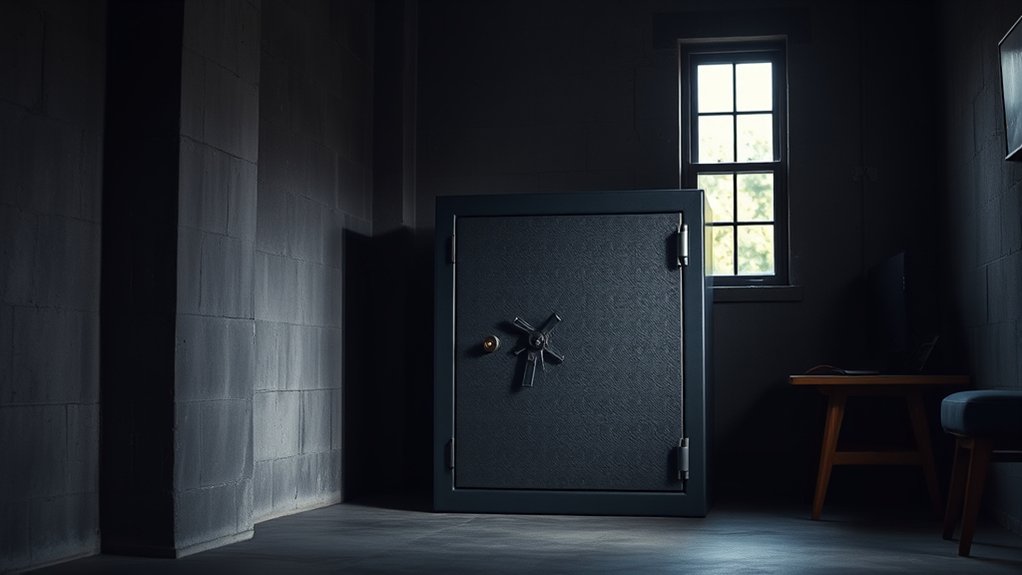
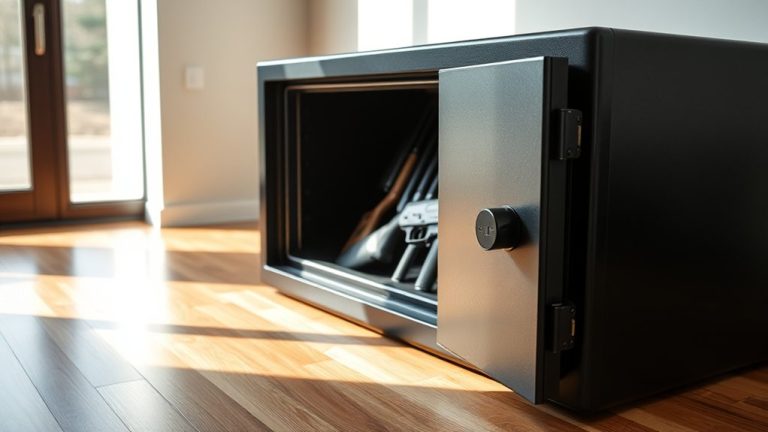
When choosing a location for your gun safe, prioritize both security and accessibility by selecting a spot on a concrete slab, preferably in a basement. This setting offers superior stability and protects against humidity and environmental damage, which is vital for secure storage.
Pick an inconspicuous area to deter thieves while keeping the safe accessible to authorized users. Avoid high-humidity locations, such as bathrooms or near water sources, because they can cause corrosion and damage over time.
Make sure the floor or structure can support the gun safe’s considerable weight, especially if it’s not on the ground floor. If you decide on a basement, consider using a dehumidifier to control moisture levels. This helps preserve the safe’s integrity and the condition of your firearms.
Taking these steps guarantees your gun safe provides reliable, long-term secure storage. It’s all about finding the right balance between safety and ease of access.
Prepare Your Floor Surface for Anchoring
Selecting the right location for your gun safe sets the stage for secure installation, but preparing the floor surface properly guarantees it stays firmly anchored.
Begin by evaluating your floor panel material—wood, concrete, or tile—as this impacts your approach to anchoring your safe.
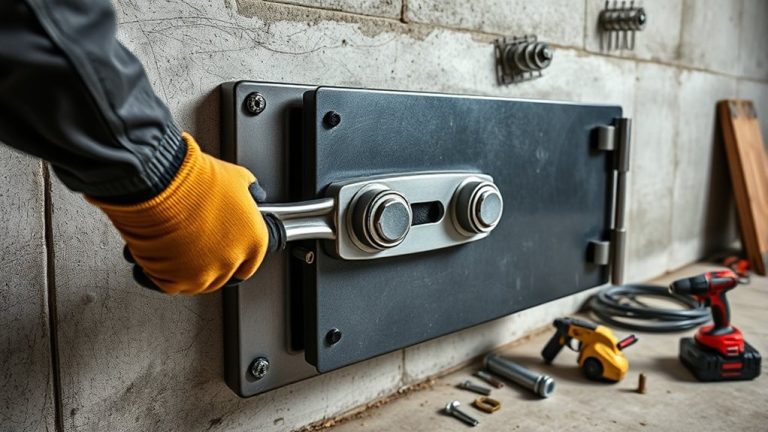
For wood subfloors, drill precise holes at each of the four pre-cut anchoring points and use appropriate wood anchors to maximize stability.
When working with concrete, employ a hammer drill to create anchor holes, but verify the concrete isn’t post-tensioned to avoid damage.
If your safe sits on tile or stone, be mindful of weight distribution.
Anchoring through the floor panel may risk cracking, so alternative anchoring methods are advisable.
Always confirm the floor’s structural integrity to support your safe’s weight, especially on upper floors.
Choose Anchoring Hardware Based on Floor Type
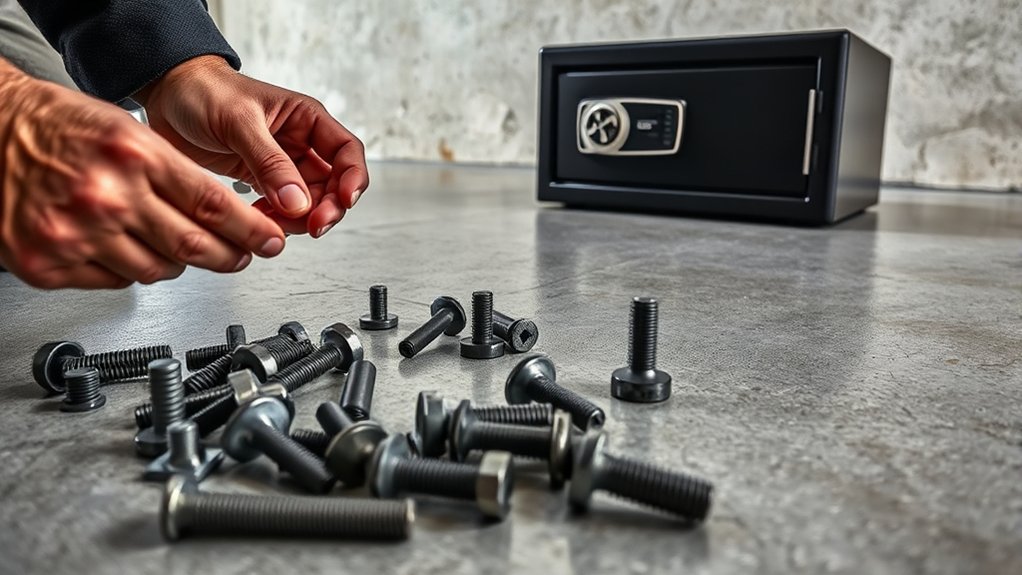
When you’re securing your gun safe, picking the right anchoring hardware really comes down to the type of floor you have.
If you’ve got wood floors, you’ll want to use wood anchors that line up with pre-cut holes. It’s pretty straightforward.
Now, if your floor is concrete, the process is a bit different. You’ll need concrete anchors, which you install after carefully drilling into the floor.
Using the right anchors like this makes sure your safe stays stable and tough to tamper with.
Anchoring For Wood
Securing a gun safe to a wood subfloor requires using anchors specifically designed for wood to guarantee stability and prevent theft or accidents.
To confirm secure storage, locate the safe’s pre-cut anchoring holes and drill at each point to firmly attach the safe to the flooring. Use washers on the anchor bolts to evenly distribute pressure and avoid damaging the wood.
After installation, replace floor caps and panels to maintain the safe’s integrity and appearance. It’s a straightforward process, but doing it right makes all the difference.
Key steps to anchor your gun safe on wood include:
- Selecting wood-specific anchors for maximum hold
- Drilling accurately at all anchoring locations
- Using washers to protect the floor and stabilize the safe
These measures confirm your gun safes remain securely anchored and stable. Taking these simple steps helps keep your safe in place and your valuables protected.
Anchoring For Concrete
For concrete subfloors, you’ll need a concrete anchoring kit designed specifically for gun safes to guarantee maximum security and stability.
First, verify the concrete isn’t post-tensioned to prevent damaging embedded cables when drilling.
Remove your gun safe’s floor panel to access the pre-drilled anchoring holes. Use a hammer drill to create precise holes in the concrete at these points.
Clean the holes thoroughly to remove dust and debris before inserting the concrete anchors.
Proper installation of these anchors is critical. You must make certain they’re tightly and securely fixed to maximize the gun safe’s stability.
Following these concrete anchoring steps carefully protects your investment and enhances safety by firmly securing the gun safe to the subfloor. This helps deter theft or tampering effectively.
Anchor Your Safe Securely on Softer Floors
To anchor your gun safe securely on softer floors like wood, you’ll need to use wood anchors designed specifically for this purpose.
Start by locating the pre-cut anchoring holes in the safe’s floor to verify precise alignment. Drill holes carefully at each anchoring point to avoid damaging the floor.
Then, install the wood anchors with washers and tighten them securely to prevent any movement or tipping. After securing the safe, replace the floor caps and panels to protect the anchoring mechanism from dust and moisture.
Key steps to anchor your safe securely include:
- Using wood anchors tailored for softer floors
- Aligning and drilling at pre-cut holes carefully
- Tightening anchor bolts firmly with washers for stability
Following these steps guarantees your safe stays anchored and secure.
Anchor Your Safe Securely on Harder Floors
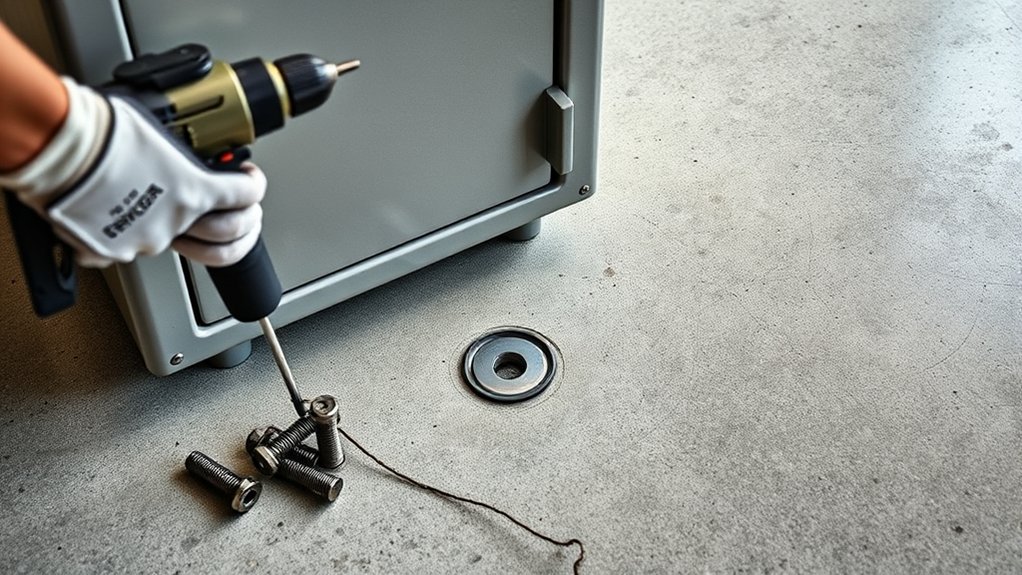
When anchoring your gun safe on harder surfaces like concrete, you’ll need a specialized anchoring kit designed for this material to guarantee maximum stability. First, verify the concrete isn’t post-tensioned to avoid damaging hidden cables.
Remove the safe’s floor panel to access pre-drilled holes. Use a hammer drill to create clean holes, then insert concrete anchors securely, ensuring they sit flush with the surface. This approach anchors your safe securely, preventing theft attempts or hazards.
| Step | Tool Required | Key Tip |
|---|---|---|
| Check concrete type | Visual inspection | Avoid post-tension damage |
| Drill holes | Hammer drill | Keep holes debris-free |
| Install anchors | Anchoring kit | Flush installation essential |
Following these steps will anchor your safe securely on harder floors.
Alternatives to Anchoring on Tile or Stone
Securing a gun safe on tile or stone surfaces requires careful consideration to prevent cracking and damage. Instead of anchoring directly into these fragile materials, explore alternatives that maintain safe storage integrity without risking floor damage.
Experts recommend avoiding tile drilling and suggest wall anchoring if the wall can support the safe’s weight and meets safety codes.
Also, consider safes with heavy bases to enhance stability on hard floors without anchoring. It’s a good idea to consult a professional installer to determine the best approach for your flooring and safe model. They can help you find a solution that keeps your safe secure without harming your floor.
Key alternatives to anchoring on tile or stone include:
- Wall anchoring with structural support and safety compliance
- Using safes designed with heavy bases for stability
- Distributing weight evenly to minimize floor stress and cracking
Level Your Safe to Ensure Proper Lock Function
One critical step in installing your gun safe is ensuring it sits perfectly level. Even slight tilting can cause lock misalignment and operational difficulties. Use a reliable level tool to check balance from side to side and front to back before finalizing the safe’s placement.
Ensuring your gun safe is perfectly level prevents lock issues and ensures smooth operation.
If you find the safe isn’t level, insert wood shims at the corners to adjust its height until it rests evenly. A properly leveled safe guarantees smooth lock operation and prevents frustrating difficulties when locking or disengaging.
Beyond functionality, leveling also enhances security by making it more difficult to pry the safe open.
Remember to regularly verify the safe’s level status, especially after moving it or installing it on different flooring types. This helps maintain ideal lock performance and overall protection.
Keeping your safe level is a simple step that makes a big difference.
Unload and Organize Firearms Before Storing in Your Gun Safe
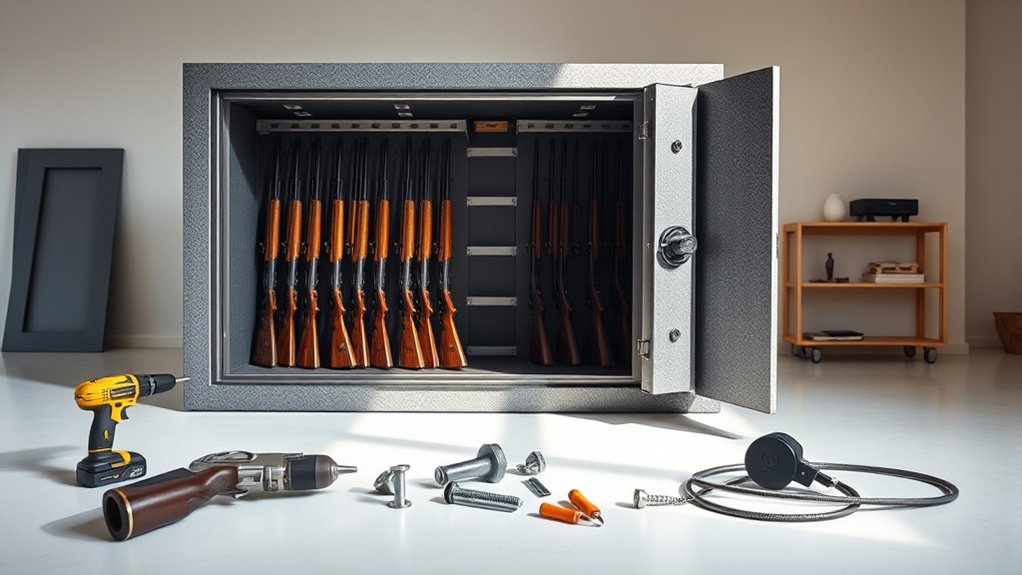
Unload all firearms before placing them in your gun safe to eliminate any risk of accidental discharge. This critical first step guarantees safe handling and prevents potentially dangerous situations.
Once unloaded, organize your firearms systematically to facilitate quick access and maintain order within your safe. Proper organization also helps protect your firearms from damage.
Consider these key points when unloading and organizing your firearms:
- Separate ammunition from firearms by storing it in a dedicated compartment within the safe to enhance safety and prevent misuse.
- Group firearms by type or intended use to streamline retrieval and maintain secure storage.
- Regularly inspect and clean unloaded firearms before storage to preserve their condition and readiness.
Following these steps guarantees your firearms remain secure, accessible, and well-maintained. It really makes a difference in keeping everything safe and in good shape.
Educate Everyone on Gun Safe Access and Usage
Although installing a gun safe provides a secure storage solution, its effectiveness depends heavily on educating everyone in your household about proper access and usage. You must guarantee all members understand the importance of firearm safety and the risks linked to improper access.
Designate a responsible adult to control the gun safe, keeping children and unauthorized individuals away. Conduct regular discussions on firearm safety and demonstrate how to properly open and secure the safe.
Be sure to stress the need to keep combinations or keys confidential. Encourage ongoing education by utilizing resources like Project ChildSafe to reinforce safe storage practices.
This approach not only safeguards your firearms but also strengthens your household’s overall safety culture. It really helps maximize the gun safe’s protective benefits.
Test and Maintain Your Safe’s Lock Regularly
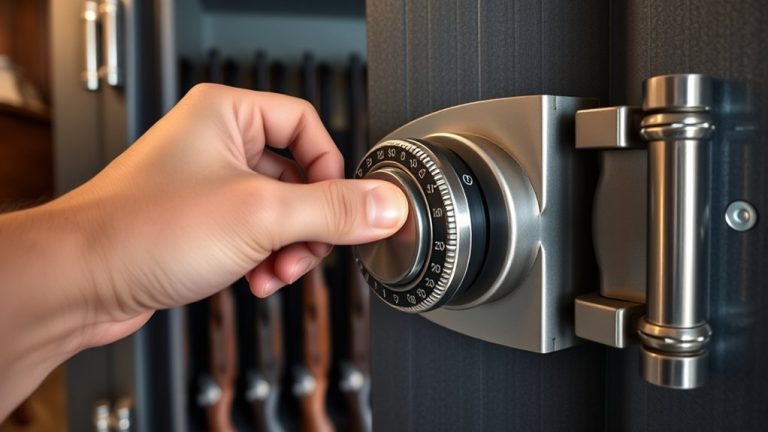
Regularly testing and maintaining your gun safe’s lock is essential to guarantee reliable security and quick access when needed. A malfunctioning lock can compromise both safety and readiness, so you must stay proactive.
To keep your safe secure, focus on these key steps:
Focus on these essential steps to ensure your gun safe remains secure and fully functional.
Test the lock routinely to verify smooth operation and detect any issues early. Change electronic lock combinations every six months to reduce risks of unauthorized access. Lubricate the locking mechanism periodically to prevent rust and maintain functionality.
Also, keep a secure record of your lock combination, accessible only to trusted individuals, and inspect the safe’s structure annually.
Frequently Asked Questions
What Type of Gun Safe Lock Is Most Secure?
The most secure gun safe lock you’ll find is a biometric lock.
But if you’re choosing between digital locks and key locks, digital locks offer better security. They let you set multiple user codes, which is pretty handy.
Plus, many digital locks include time-delay features to stop unauthorized access.
Key locks are reliable, sure, but they’re more vulnerable to picking.
And they don’t offer the same flexibility as digital options.
For the best protection, go with a digital lock that has high security ratings and UL certification.
It’s a smart way to keep your guns safe and secure.
How Often Should I Replace the Safe’s Batteries?
You should replace your safe’s batteries at least once a year to maintain ideal battery life and prevent lockouts.
Always choose high-quality battery types, such as alkaline or lithium, for reliable performance.
If you use your safe frequently or live in extreme temperatures, consider replacing batteries more often.
Keep track of replacement dates, and test the lock after every battery change to guarantee your gun safe remains secure and fully operational.
Can a Gun Safe Protect Against Fire Damage?
Yes, a gun safe can protect against fire damage if it has reliable fireproof ratings and quality insulation materials.
These ratings tell you how long the safe can withstand high temperatures, often up to two hours.
Insulation materials like gypsum board or concrete help keep the interior cool, which preserves your firearms.
To get the best protection, choose a safe with verified fireproof ratings and advanced insulation.
That way, your valuables stay secure even during extreme heat.
Are Biometric Locks More Reliable Than Combination Locks?
Like a double-edged sword, biometric technology offers both speed and convenience but can be less consistent than traditional methods.
You’ll find biometric locks provide quick access and multi-user flexibility. Yet, their reliability hinges on lock durability and environmental conditions.
Combination locks, though slower, often excel in ruggedness and resistance to dirt or moisture. They might take a bit longer to open, but they’re usually more dependable in tough situations.
Ultimately, your choice depends on what matters more to you—convenience or steadfast reliability when securing your safe.
How Do I Safely Clean the Interior of My Gun Safe?
To safely clean the interior of your gun safe, first remove all firearms and ammunition.
Use cleaning supplies like a vacuum with a soft brush attachment to gently remove dust from the interior materials, focusing on corners.
Then, wipe surfaces with a microfiber cloth slightly dampened with a mild cleaning solution to avoid damage. This helps keep everything clean without harming the safe’s finish.
Apply rust prevention if needed.
You might also want to consider placing silica gel packets inside to control humidity and protect the interior from moisture and corrosion.
It’s a simple step that can really help keep your safe in great shape.
Conclusion
By following these steps, you’ll transform your gun safe into an impenetrable fortress, standing firm like a mountain in a hurricane. No matter the threat, burglars or accidents, your firearms will be locked away with unwavering security and ease of access.
Don’t leave your safety to chance. Securing your gun safe is the ultimate shield for your home and family.
Stay vigilant, stay prepared, and make your safe a fortress that never falters.