Is It Safe to Have a Gun in the House?
Having a gun in your home increases risks of homicide, accidental shootings, and suicide. These risks often outweigh the benefits you might get from self-defense. You’re actually twice as likely to face firearm-related violence if there’s a gun around.
The danger to children and family members is especially high, particularly if the guns aren’t stored securely. Defensive use of guns is pretty rare, but accidents and domestic violence tend to go up when guns are present.
Safe storage and alternatives can really help reduce these risks. It’s important to learn how these factors affect your family’s safety. Plus, you can take some steps to protect everyone in your home.
Why Guns in Your Home Increase Family Safety Risks
Although many people believe that having a gun at home increases their family’s safety, research shows the opposite. Studies indicate that homes with a household gun face higher homicide rates, doubling the risk compared to gun-free homes. This increase contributes considerably to gun violence in America.
Furthermore, access to firearms raises the risk that family members will die by suicide, with those living in homes with guns being four times more likely to do so.
Unintentional shootings, especially involving children, are also more frequent in these environments. About half of such fatalities happen at home.
Despite the common belief that guns protect families, evidence suggests that having a gun in your home actually elevates the chances of firearm-related injuries and deaths.
How Guns Raise the Risk of Domestic Violence and Family Harm
When you have a gun in your home, the risk of domestic homicide actually doubles compared to households without firearms. It’s a serious increase that many people don’t realize.
Firearms can escalate conflicts, turning what might’ve been a heated argument into something tragically fatal.
So, understanding how guns affect family safety is really important. It helps you make informed decisions about whether or not to keep a gun in your home.
After all, knowing the risks can lead to safer choices for everyone involved.
Increased Domestic Homicide Risk
Because firearms are readily accessible in many homes, the risk of domestic homicide rises dramatically, especially among intimate partners. When a gun is present, women face a sevenfold increase in the risk of being shot by a spouse or partner.
You should know that states with higher gun ownership experience more domestic gun homicides. This directly links firearm availability to domestic violence. Over 84% of intimate partner shooting victims are female, which really shows how severe the danger guns pose in these environments.
Research confirms that homes with guns carry a considerably higher risk of homicide by family or acquaintances compared to gun-free households.
Access to a firearm can quickly escalate domestic disputes into deadly incidents, especially during stressful times like the pandemic. So, the presence of a gun is a critical factor in domestic violence-related homicides.
Firearms and Family Safety
Even if you believe having a gun at home enhances safety, firearms actually increase the risks of domestic violence and harm within families. Guns in households double the chance of homicide, with women facing seven times greater risk of being shot by a partner.
States with higher gun ownership see more domestic gun homicides, showing a clear link between guns and family violence.
Access to firearms also raises suicide risk. Men who buy handguns are over three times more likely to die by suicide, and women are over seven times more likely.
Furthermore, unintentional shootings among children have caused thousands of deaths in recent years.
When considering family safety, you must weigh these risks carefully. Guns often put household members in greater danger than protection.
The Actual Likelihood of Using a Gun for Self-Defense at Home
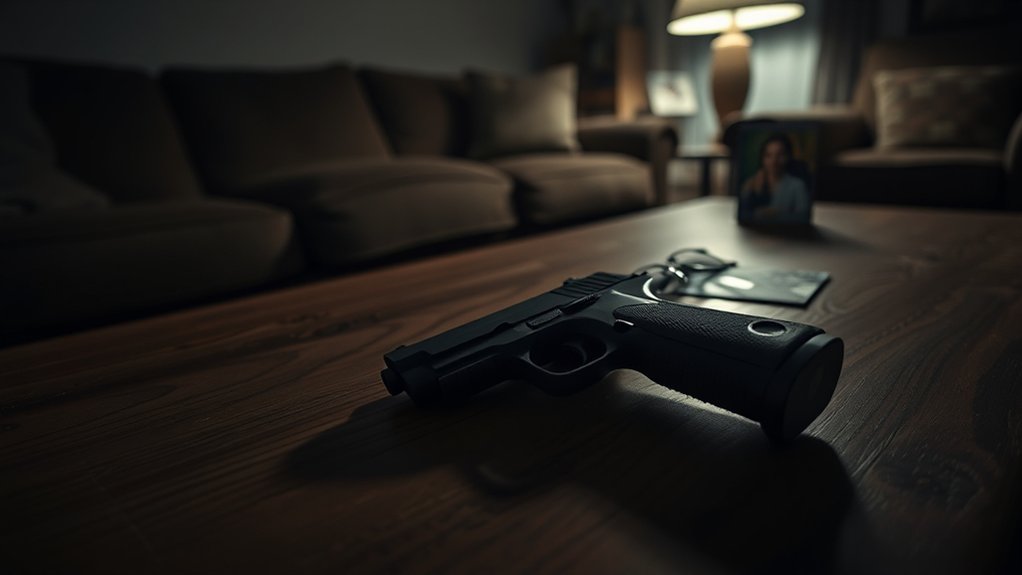
How likely are you to actually use a gun for self-defense if you keep one at home? Research shows defensive gun use happens in less than 1% of victim-involved crimes. This challenges the idea that gun ownership greatly improves home safety.
The common story of a “good guy with a gun” stopping an intruder is often overstated. In fact, having a gun in the home is linked to a higher risk of homicide, accidental shootings, and suicide. So, self-defense outcomes are less certain than many might think.
| Situation | Estimated Likelihood |
|---|---|
| Defensive gun use in crimes | Less than 1% |
| Previously claimed uses (1990s) | Up to 2.5 million annually* |
| Households with guns & homicide | Twice as likely |
| Risk of accidental shootings | Statistically higher |
*Now considered an overestimate.
How Guns Increase the Risk of Accidental Shootings
While many keep firearms at home for protection, the risk of accidental shootings goes up a lot when guns are around. Having guns in the house especially increases the chance of unintentional injuries among kids.
From 2015 to 2024, there were over 3,500 accidental shootings involving children. These incidents caused more than 1,200 deaths and 2,000 injuries, and most happened right at home.
Kids often find firearms while playing or when adults show them the gun, which makes things more dangerous. More than 72% of firearm-related deaths in children come from guns found in their own homes. This really shows why safe storage is so important.
Locking up guns properly can help cut down on these accidents. But just having guns around naturally raises the risk of accidental shootings for everyone in the household, especially for vulnerable kids.
Why Guns in the Home Raise Suicide Risks
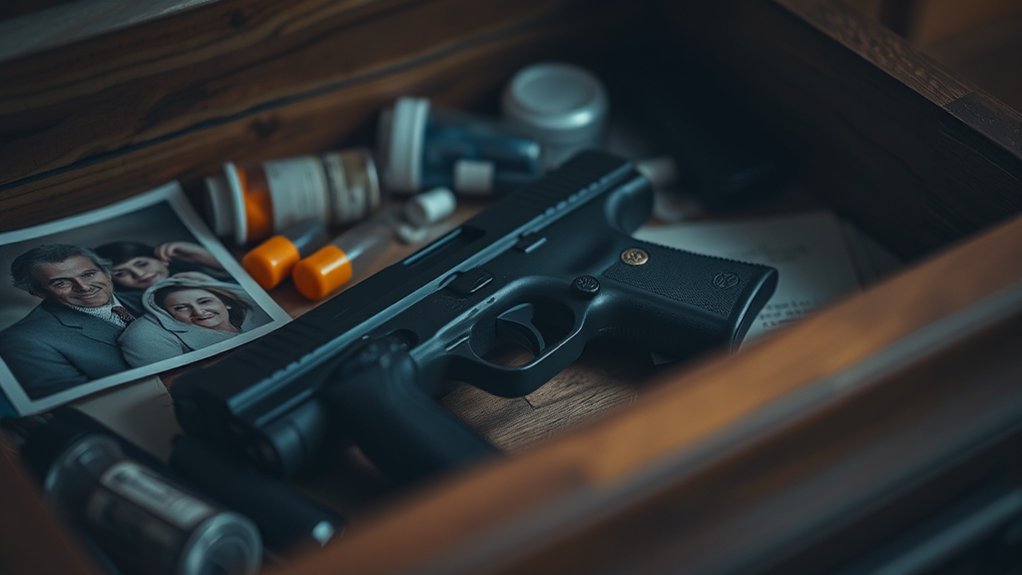
You should know that having guns at home raises the risk of suicide quite a bit. This is especially true for women, who are over seven times more likely to die by suicide after buying a handgun.
It’s a serious concern.
When it comes to kids and teens, firearms are involved in about 40% of suicides. Most of these tragic incidents happen with guns that are kept at home or at relatives’ places.
Knowing these facts really helps put things into perspective. It shows why it’s so important to limit access to guns to keep everyone safer.
Suicide Risk Statistics
Having a gun in your home can increase the risk of suicide among children and teens by four times compared to homes without firearms. Over 90% of firearm-related suicides in youth involve guns accessed at home. This shows how easy access really heightens suicide risk.
Impulsive suicidal thoughts in teens can lead to rapid actions, especially when loaded guns are available. Removing firearms creates the safest environment and greatly reduces suicide risks.
| Statistic | Homes with Guns | Gun-Free Homes |
|---|---|---|
| Increased suicide risk | 4x higher | Baseline |
| Firearm-related youth suicides (%) | 40% | N/A |
| Access source for youth suicides | 90% at home | N/A |
Reducing access by removing firearms saves lives. It’s really that simple.
Impact on Women
Because firearms in the home increase access to lethal means, women living in such environments face a 50% higher risk of dying by suicide compared to those in gun-free households.
You should know that women are over four times more likely to die by firearm-related suicides when a gun in the house is present. This stark reality highlights how impulsive moments can become fatal when firearms are easily accessible.
Research shows that most child and teen suicides involving guns come from weapons stored at home or relatives’ homes.
If you have a gun in the house, practicing safe gun storage is essential to reduce these risks.
Understanding the impact on women helps emphasize the importance of awareness and caution around firearms to prevent unnecessary deaths by suicide.
Safe Gun Storage Practices to Protect Your Family
Anyone who keeps a gun at home must prioritize safe storage to protect their family. Safe storage means locking and unloading all firearms, while storing ammunition separately to prevent unauthorized access. This practice is essential because over 72% of firearm-related deaths in children happen in their own homes.
Unintentional shootings often involve children who find unsecured guns, which really highlights the importance of gun safety. For home defense, you might want quick access, but always balance that with secure storage to avoid accidents. Keep keys or combinations out of children’s reach, including teens.
Remember, the American Academy of Pediatrics stresses that the safest environment for children is a home without guns.
Talking About Gun Safety With Family and Visitors
Storing guns safely at home is an essential step, but the responsibility doesn’t stop there. You need to have open conversations about gun safety with family and visitors, especially when children are involved.
Over a third of unintentional shootings with children happen in friends’ or relatives’ homes, so it’s really important to ask about storage practices before visits.
Talking about the presence of firearms and how they’re secured should be as routine as chatting about pets or allergies. These conversations help reduce the risk of unintentional shootings and make sure everyone gets why safe storage matters.
Being proactive about gun safety with people who come into your home or whose homes your kids visit can stop tragic accidents and save lives. It’s all about keeping everyone safe and informed.
How to Protect Children From Gun-Related Accidents
You can protect children from gun-related accidents by storing firearms securely and educating them early about the dangers of guns.
It’s also a good idea to have open conversations with visitors about their gun safety practices, especially when they come over for playdates.
Taking these simple steps really helps reduce the risk of accidental injuries and keeps your child much safer.
Safe Gun Storage
Although having a gun at home can provide a sense of security, securing it properly is essential to prevent accidental injuries among children. Practicing safe gun storage helps reduce unintentional shootings, which cause many firearm injuries in young ones.
Responsible gun storage means locking firearms and keeping ammunition separate. This lowers the risk of accidents and suicide risk, which is higher when children access guns at home. Remember, 72% of firearm-related deaths in children happen with guns in their own homes, emphasizing your role in prevention.
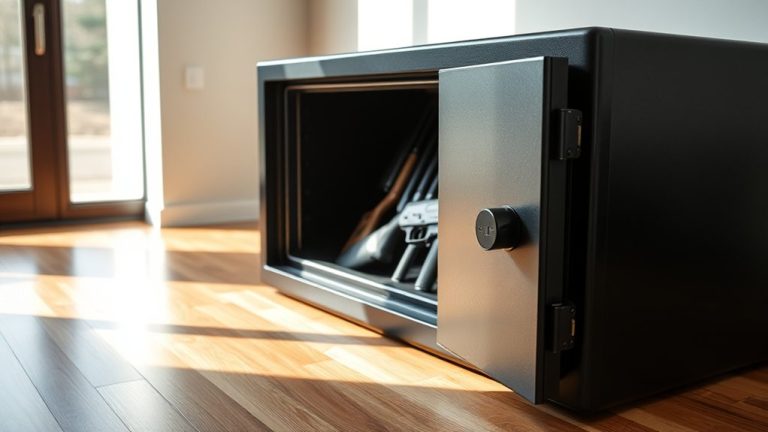
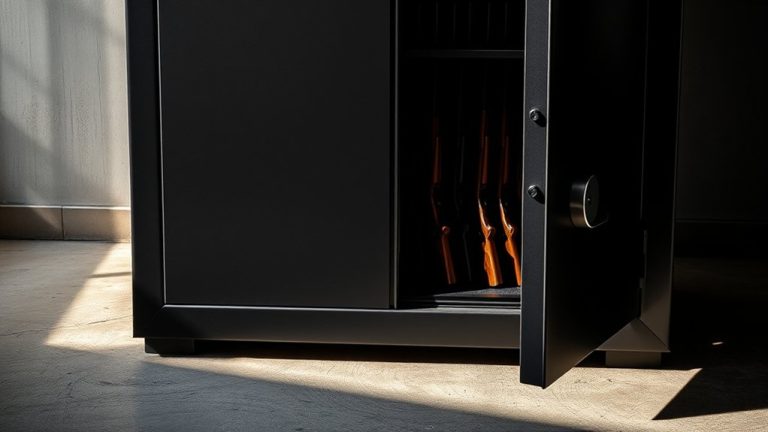
To protect children, you should use gun safes or lockboxes with reliable locks. Store ammunition in a separate, locked location.
And always verify gun storage practices at friends’ or relatives’ homes.
These steps reduce unintentional shootings and save lives. It’s worth taking the time to keep everyone safe.
Educating Children Early
Keeping firearms locked away is an essential step, but educating children early about gun safety plays an equally important role in preventing accidents. You need to teach children that guns aren’t toys and should never be touched without adult supervision.
Educating children about the dangers of guns helps them understand the serious risks involved and encourages them to report any firearms they find, especially in homes other than their own.
Since many unintentional shootings involve firearms accessed in home environments, clear communication about gun safety is critical.
Remember, homes without guns reduce risk considerably, but if guns are present, your early education efforts can protect children from harm.
Prioritizing this education guarantees children are better prepared to avoid dangerous situations involving guns.
Monitoring Visitors’ Homes
How can you guarantee your child’s safety when they visit friends’ or relatives’ homes? Since over a third of unintentional shootings involving children happen in these settings, it’s essential to ask firearm owners about the presence and secure storage of guns. Just like you’d inquire about pets or allergies.
Promoting children’s safety means making sure the home environment minimizes risks. Encourage conversations with your child about avoiding guns and reporting any they find.
To picture a safer visit, think about firearms locked in a safe or secured cabinet, out of reach.
Also, there should be no unsecured guns in common areas like nightstands or living rooms. Clear communication with hosts about their gun storage practices is really important.
Being proactive helps reduce unintentional shootings and protects your child effectively.
Non-Gun Options for Keeping Your Home Safe
You can beef up your home’s security without relying on firearms by taking several effective steps. Non-gun options like installing a professionally monitored security system offer 24/7 protection and immediate emergency response. This reduces risks tied to gun ownership.
To further secure your home, reinforce doors and windows with deadbolts and security bars. These deter break-ins effectively.
Strengthen your home by reinforcing doors and windows with deadbolts and security bars to effectively deter break-ins.
Adding motion-sensor lights around your property improves visibility and discourages intruders.
Participating in a community watch program also boosts neighborhood vigilance. Neighbors look out for each other and report suspicious activities.
Finally, establishing clear safety protocols and educating your family about emergency plans empowers everyone to respond calmly and confidently during threats.
These measures collectively create a safer environment without involving firearms. It’s all about using smart, practical steps that keep your home secure and your loved ones safe.
What Research Shows About Guns and Family Safety
While non-gun security measures provide effective protection, many households still consider keeping firearms for safety.
However, research shows that gun ownership can increase risks rather than reduce them. Living in a home with guns doubles the homicide rate and raises the chance of domestic violence.
Suicide risk among children and teens is four times higher when firearms are accessible. Unintentional shootings also occur more frequently than defensive uses.
For true family safety, consider these facts:
- Children in homes with guns face higher chances of accidental injuries and suicides.
- States with higher gun ownership report more domestic gun homicides.
- Accidental shootings outnumber self-defense uses by four times.
Understanding these risks helps you make informed decisions about protecting your loved ones.
Frequently Asked Questions
What Types of Guns Are Most Commonly Kept in Homes?
You’ll find handguns are the most commonly kept guns in homes, making up about 60% of civilian firearms.
Shotguns and rifles, like AR-15s, are also popular.
To prioritize handgun safety, focus on secure gun storage and family education about safe handling.
Using firearm accessories such as trigger locks and safes helps prevent accidents.
Always keep safety top of mind when storing or handling any firearm in your home.
It’s all about creating a safe environment for everyone.
How Do Gun Laws Vary by State or Country?
Think of gun laws as a patchwork quilt, with each state stitching its own pattern. State regulations vary widely. Some states favor gun rights with easy concealed carry.
Others tighten ownership rules and mandate safety training.
International comparisons show countries with strict controls, like Japan, have far fewer gun incidents. When you look at ownership statistics, you see how laws shape outcomes.
What Are the Costs Associated With Owning a Gun?
The costs of owning a gun include initial expenses like purchasing the firearm and necessary permits.
You’ll also face ongoing maintenance costs for cleaning and repairs. Proper storage solutions, such as safes or lockboxes, are essential for safety and legal compliance.
Don’t forget safety training, which helps you handle the gun responsibly.
Plus, liability implications can arise if the gun is misused or accessed by unauthorized individuals. This could lead to legal and financial consequences.
Are There Mental Health Screenings Before Purchasing a Firearm?
No, federal laws don’t require mental health assessments before you buy a firearm, though some states have their own rules.
To promote firearm safety education and responsible ownership practices, it’s essential you consider risk factors analysis and gain access to resources that support mental well-being.
Taking these precautions helps you reduce potential dangers and make informed decisions, ensuring both your safety and those around you.
How Does Gun Ownership Affect Home Insurance Policies?
Gun ownership can increase your home insurance premiums because insurers see it as a higher risk. They often ask you to disclose any firearms you have, which can affect your claims process if something happens.
You might also need extra liability coverage to protect yourself from lawsuits that could arise from accidents involving your guns.
But here’s the good news: using secure storage like gun safes can sometimes earn you discounts on your policy.
Just keep in mind, some insurance policies actually exclude claims related to gun incidents.
Conclusion
You might think keeping a gun at home makes you safer, but ironically, it often does the opposite. Instead of shielding your family, it can increase risks of accidents, domestic violence, and even suicide.
While self-defense is a common reason for owning guns, the actual chances of needing one are quite low. So, before deciding, weigh these hidden dangers carefully. Sometimes what feels like protection can quietly put your loved ones in harm’s way.