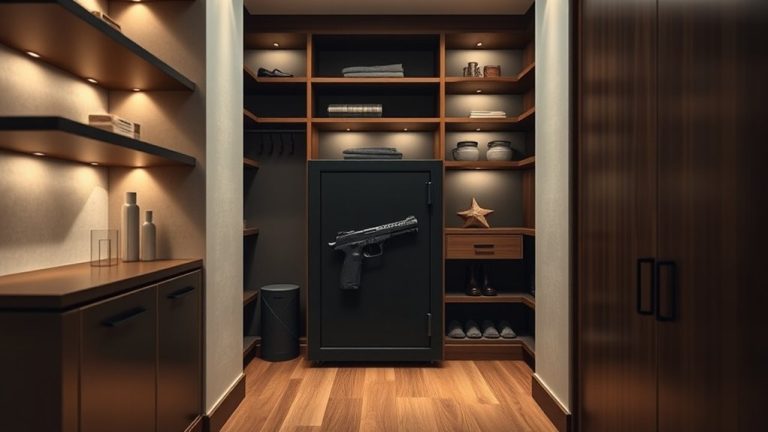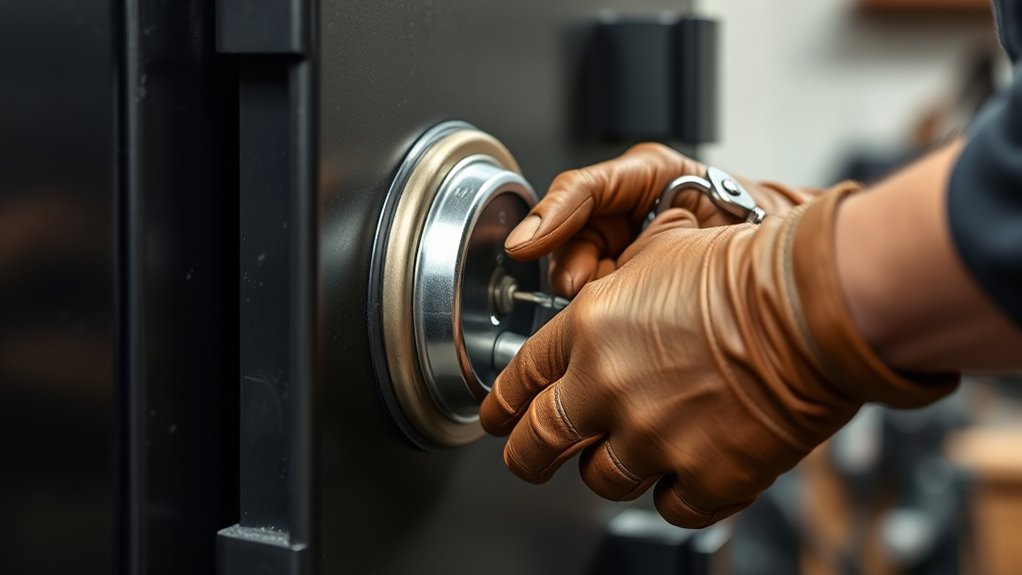
Can a Locksmith Open a Gun Safe?
Yes, a licensed locksmith can open your gun safe, but you’ll need to prove ownership first with documents like purchase receipts or registration. Locksmiths use precise, non-destructive methods such as combination manipulation or electronic bypass techniques. They only resort to drilling if necessary to protect your safe’s integrity.
Choosing a locksmith who’s familiar with your safe model and local laws guarantees legal, expert service. Keep your information handy. Understanding the full process can help you prepare effectively for safe access.
How Locksmiths Open Gun Safes: Methods Explained
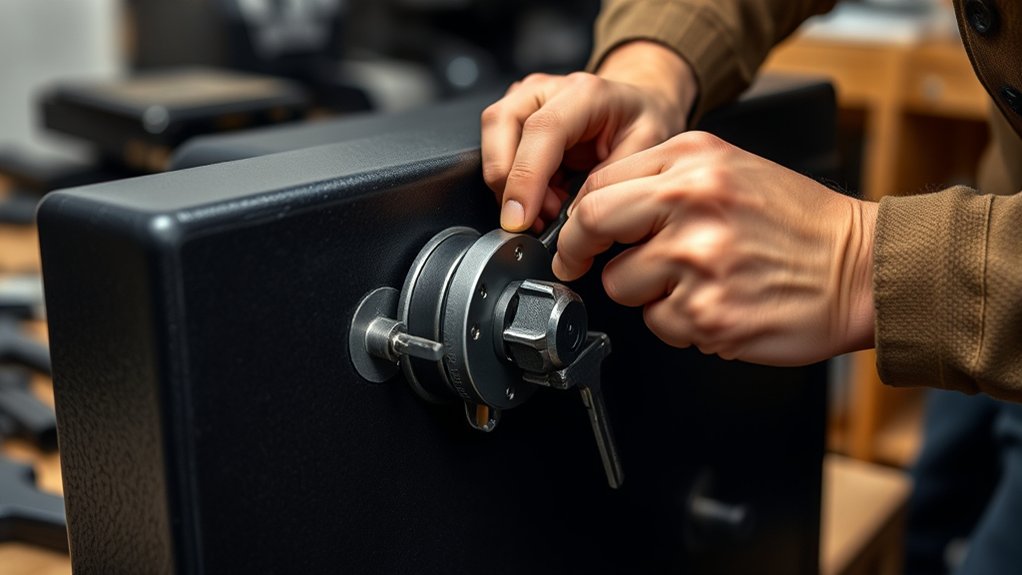
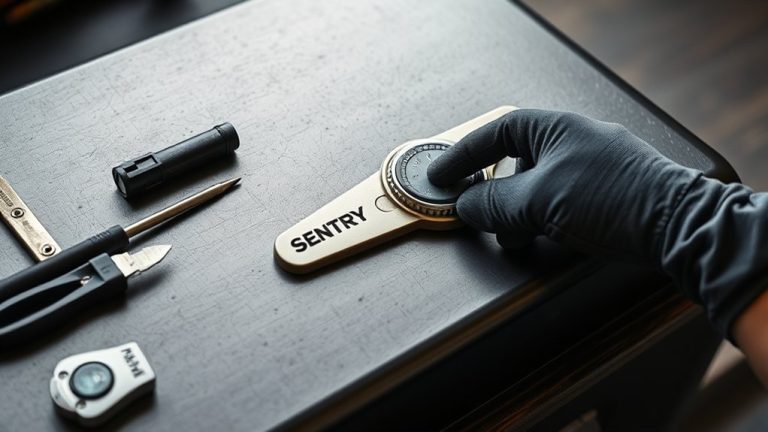
When you need to access a locked gun safe, locksmiths use a range of specialized methods tailored to the safe’s locking mechanism. A professional locksmith often starts by employing non-destructive techniques, such as combination manipulation for mechanical dial locks or electronic bypass for faulty digital keypads.
These methods allow locksmiths to open a gun safe without causing damage. They rely on specialized tools and expertise specific to the safe’s brand and model, which really helps boost success rates.
If these approaches don’t work, locksmiths may resort to drilling a small hole to check out the lock mechanism. This is usually a last-resort method.
Proof of Ownership Needed to Open Your Gun Safe
Because gun safes protect valuable and potentially dangerous items, locksmiths require proof of ownership before opening them. This proof of ownership, such as a purchase receipt or registration document, is essential for verification of ownership and guarantees compliance with state laws designed to prevent unauthorized firearm access.
A licensed locksmith will request proper documentation to confirm you have legal rights to the safe and its contents. The safe must be on premises you own or occupy, and providing details about its contents can help speed up the access process.
Without valid verification of ownership, locksmiths are legally obligated to refuse service to safeguard against theft or misuse. This protocol protects both you and the locksmith by maintaining a secure, lawful procedure for opening gun safes.
Locksmith Techniques to Open Gun Safes
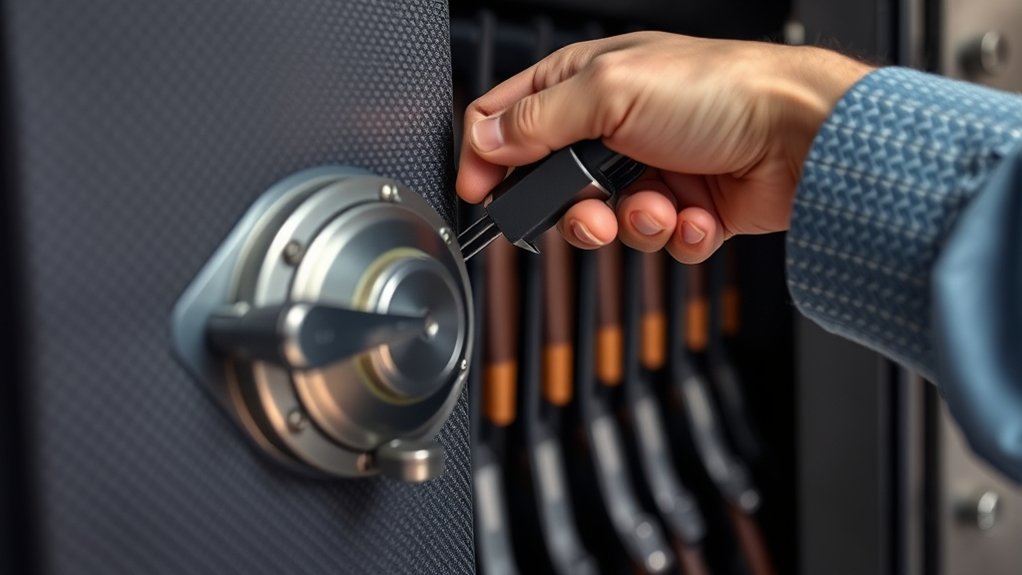
After verifying your ownership, a locksmith applies specialized techniques tailored to the specific locking mechanism of your gun safe.
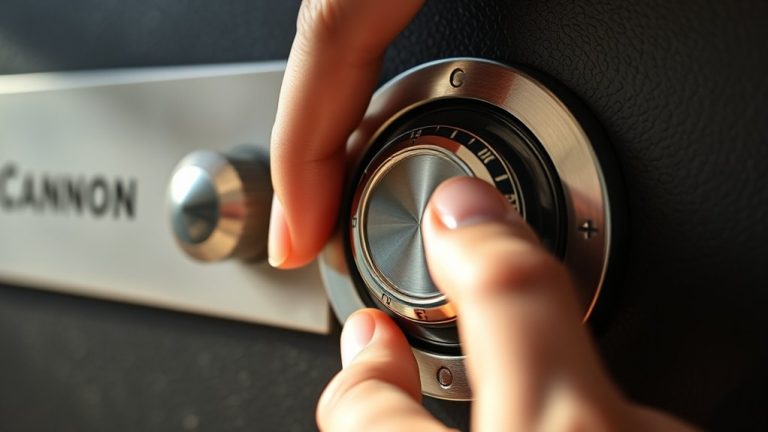
For dial-based locks, locksmith techniques often involve combination recovery using precise manipulation, a non-destructive method that preserves the safe’s integrity.
When dealing with an electronic keypad, locksmiths employ electronic bypass methods to reset codes or address issues like dead batteries. These approaches rely on specialized tools and extensive training to effectively open gun safes without damage.
If non-destructive methods don’t succeed, controlled drilling may be necessary but remains a last resort.
Opening Electronic and Biometric Gun Safes
How do locksmiths tackle the complexities of electronic and biometric gun safes? When you face locked electronic safes or biometric gun safes, professional locksmiths use specialized access control techniques.
Electronic safes often keep codes even after battery changes, which means there are reset options available. Biometric safes might need recalibration if the fingerprint recognition isn’t working right. A locksmith can bypass these systems using manufacturer-approved methods, so no damage is done.
But if all the non-invasive methods don’t work, drilling becomes the last resort.
| Challenge | Emotional Impact | Locksmith Solution |
|---|---|---|
| Forgotten code | Frustration | Code reset or bypass |
| Dead batteries | Anxiety | Battery replacement check |
| Biometric failure | Helplessness | Sensor recalibration |
| Access denial | Urgency | Manufacturer-approved bypass |
| System malfunction | Stress | Expert troubleshooting |
Drilling and Cutting: Last-Resort Safe Opening Methods
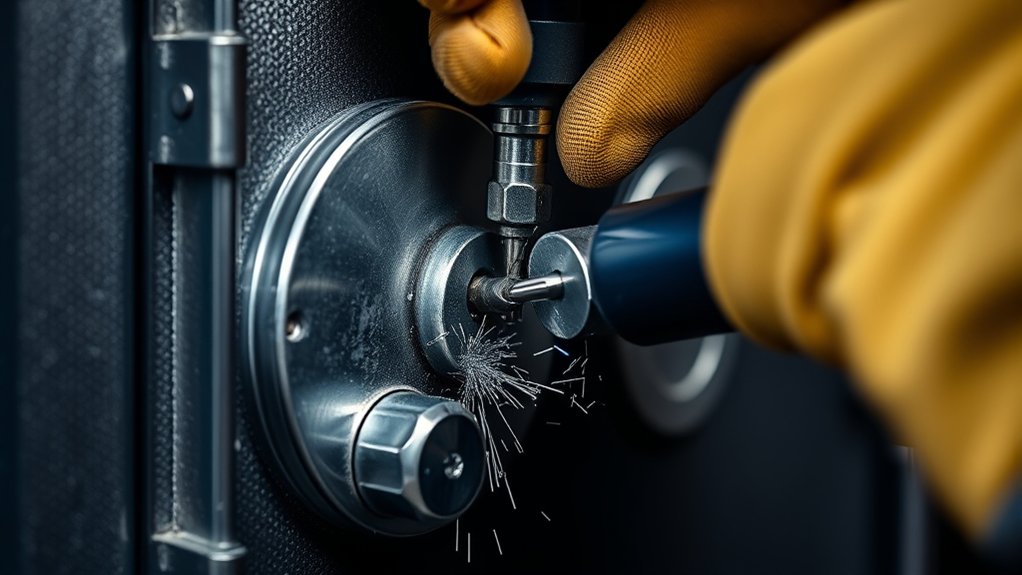
When non-invasive techniques like code resets or sensor recalibration fail to grant access to a gun safe, locksmiths turn to drilling and cutting as last-resort methods.
Drilling involves creating a small hole to evaluate internal lock mechanisms, enabling a professional locksmith to plan safe access with minimal damage.
Cutting, often with torches or saws, permanently breaches the safe but risks damaging firearms inside and produces significant noise and debris.
Both methods demand expertise to avoid costly complications.
Visualize the process:
- Evaluating the safe’s structure and lock type
- Carefully drilling a precise hole for internal inspection
- Deciding if cutting is necessary based on drilling results
- Executing cutting with specialized tools when no other options remain
These last-resort methods guarantee access only when safer techniques prove ineffective.
Rekeying Gun Safes: When and How Locksmiths Help
Although rekeying a gun safe isn’t required as often as opening one, locksmiths play an essential role in helping you change the lock mechanism to enhance security or regain control after lost keys. Qualified locksmiths offer rekeying gun safes services that include creating replacement keys using impression techniques or manufacturer key codes.
They guarantee secure access by verifying ownership before proceeding. It’s always best to rely on professionals for this kind of precise work to keep your safe secure and your peace of mind intact.
| Service Aspect | Description | Benefit |
|---|---|---|
| Rekeying Capability | Change lock mechanism if undamaged | Enhanced security |
| Key Creation | Trial keys and copies made | Reliable access |
| Lost Key Solutions | Impression or code-based keys | Regain control |
| Verification | Ownership confirmation required | Legal compliance |
Rely on professional locksmith services for precise, secure rekeying. It’s a smart move to ensure your gun safe stays protected.
Preventing Gun Safe Lockouts: Tips From Locksmiths
Because lockouts can cause significant frustration and delay access to your firearms, taking proactive steps is essential to avoid them.
Preventing gun safe lockouts requires disciplined maintenance and smart habits. Follow these locksmith-approved tips:
First, register your safe with the manufacturer. This helps protect your warranty and makes it easier to recover forgotten combinations. It’s a simple step that can save you a lot of hassle later on.
Register your safe with the manufacturer to protect your warranty and easily recover forgotten combinations.
Next, schedule regular maintenance checks every five years. This helps prevent mechanical failures that could lead to lockouts. Keeping your safe in good working order is key.
Don’t forget to change digital keypad batteries every 6 to 12 months. Fresh batteries help avoid power-related access issues, so you’re not caught off guard.
Finally, securely store backup keys and keep a written record of your combination in a safe place. Having these backups means you’ll have options if you ever get locked out.
It’s all about being prepared.
Choosing the Right Gun Safe Locksmith
You’ll want to make sure the locksmith you choose has the right credentials—like the proper license and qualifications—to handle gun safe access.
It’s also a good idea to check their experience, especially with the type of safe you have. This really matters because it affects how quickly and carefully they can open it without causing any damage.
Paying attention to these details will help you find a skilled and trustworthy professional.
Verifying Locksmith Credentials
Credentials serve as the foundation for selecting the right locksmith to open your gun safe. Verifying locksmith credentials guarantees you hire a professional locksmith who meets legal and technical standards.
Focus on these four key areas:
First, confirm the locksmith is licensed and certified to handle secure items like firearms.
Next, verify specialized training in safe manipulation and gun safe access.
It’s also important to check for proof of insurance to cover potential damages during service.
Finally, review customer testimonials and confirm the locksmith’s knowledge of state laws regarding gun safe access.
Taking these steps helps ensure you’re working with someone trustworthy and skilled. It’s always better to be safe than sorry!
Assessing Locksmith Experience
Verifying a locksmith’s credentials lays the groundwork, but evaluating their hands-on experience with gun safes determines their true capability.
You should verify qualifications beyond licensing by confirming the locksmith has practical experience with your specific gun safe model.
Not all locksmiths can open gun safes efficiently. A professional locksmith familiar with your safe’s mechanisms will reduce damage and expedite access.
Check customer testimonials and recommendations to gauge reliability and precise handling.
Furthermore, confirm the locksmith can verify proof of ownership to prevent unauthorized entry and comply with legal standards.
How to Verify Your Locksmith’s License and Trustworthiness
First, you want to check your locksmith’s license through your state’s official database to make sure they’re legally authorized.
Then, take a look at their professional credentials and experience, especially with gun safes, to be confident they’ve the right skills for the job.
Finally, it’s a good idea to check their business reputation by reading customer feedback and asking for referrals.
This way, you’ll know you’re hiring someone trustworthy.
Check State Licensing
Before hiring a locksmith to open your gun safe, make sure they’ve a valid state license. This step is really important to ensure you’re working with someone who meets all the legal requirements.
To check state licensing effectively, here’s what you can do: First, visit your state’s licensing board website to verify the locksmith’s credentials.
Next, confirm there are no disciplinary actions against them.
Also, look for a professional locksmith who’s a member of reputable organizations. That usually means they follow high ethical standards.
And don’t forget to read customer reviews to get a sense of their reliability and service quality.
Verify Professional Credentials
Although hiring a locksmith may seem straightforward, verifying their professional credentials is essential to guarantee your gun safe is handled securely and competently.
Before you call a locksmith, check with your state’s licensing board to confirm they hold a valid license and meet local regulations. Request references from past customers to assess their experience with safes.
Look for memberships in recognized organizations like the Associated Locksmiths of America (ALOA), which indicate adherence to industry standards.
Moreover, review online testimonials to gauge reliability. By taking these steps, you secure the key to hiring a trusted professional, ensuring your gun safe is opened with expertise and integrity.
Always verify professional credentials thoroughly. It’s worth the extra effort to find someone you can trust.
Confirm Business Reputation
Verifying a locksmith’s professional credentials sets the foundation, but confirming their business reputation gives you a clearer picture of how trustworthy they are.
To thoroughly confirm a locksmith’s business reputation, follow these steps:
- Check their license number with your state’s licensing authority to make sure they’re legally registered and qualified.
- Review customer feedback on platforms like Google, Yelp, and the Better Business Bureau. This helps you get a sense of their service quality and reliability.
- Ask for referrals from trusted sources like friends or local businesses. Finding locksmiths with proven experience can give you extra peace of mind.
- Verify the locksmith’s insurance and bonding status. Also, make sure they specialize in gun safes, especially your safe’s brand and model.
These steps help you confirm a locksmith’s legitimacy.
That way, you’re more likely to hire someone who’s experienced and dependable.
What Happens When a Locksmith Opens Your Gun Safe
When a locksmith opens your gun safe, they’ll first confirm your ownership to comply with legal requirements designed to prevent unauthorized access. A professional locksmith will require proof of ownership before proceeding.
To open the safe, they typically try non-destructive entry methods. This might include contacting the manufacturer for an override key or using specialized tools to avoid damage.
If these techniques don’t work, the locksmith may have to drill or cut the safe. This causes permanent damage and is only done as a last resort.
After gaining access, the locksmith can rekey the lock or create replacement keys, which helps improve future security.
Throughout the process, they document all service actions. This provides you with a record that can be useful for warranty claims or future reference when you need a locksmith to open your gun safe again.
Frequently Asked Questions
How Much Does It Typically Cost to Hire a Locksmith for a Gun Safe?
You’ll typically pay between $100 and $300 to hire a locksmith for gun safe opening, depending on gun safe types and safe cracking techniques used.
Emergency locksmith services can add $50 to $150 to the total.
Locksmith service fees, including service calls, vary widely, so check customer reviews to find reliable professionals.
Always get a clear estimate upfront to avoid surprises, especially if your safe requires complex entry methods or after-hours assistance.
It’s better to know what you’re getting into before they start working.
Can Locksmiths Open Gun Safes Without Damaging the Contents Inside?
Imagine the intricate dance of safe mechanisms, where every tumbling wheel and dial secures secrets inside. You can trust locksmiths to use precise opening methods that respect your gun safe’s security features, carefully avoiding damage to the contents.
They balance professional ethics with customer rights, ensuring access only when authorized.
Skilled locksmiths employ advanced tools and techniques designed to preserve both the safe’s integrity and what’s inside. This way, they keep your valuables secure and intact.
How Long Does It Usually Take for a Locksmith to Open a Gun Safe?
It usually takes you 30 minutes to several hours to open a gun safe, depending on the types of gun safes and their security system integration.
Your locksmith qualifications matter, as skilled professionals use advanced safe cracking techniques and emergency access methods to minimize damage.
Mechanical locks open faster, while high-tech safes require more time.
Experience and safe condition also influence the duration, so trust qualified locksmiths for efficient, precise entry.
Are There Any Legal Restrictions on Locksmiths Opening Gun Safes?
You might think a locksmith just pops open gun safes without a second thought, but legal implications clamp down hard.
Locksmith qualifications don’t just cover skills. They include strict adherence to state regulations requiring proof of safe ownership.
Ethical considerations demand they verify you’re authorized, or they risk penalties.
Can a Locksmith Help if I Lost My Gun Safe Combination or Key?
Yes, a qualified locksmith can help if you lost your gun safe combination or key. They use safe access methods and combination recovery techniques tailored to various gun safe types, from electronic keypads to mechanical locks.
Locksmiths need to have expertise in these security measures to do the job right. By checking your safe’s model and verifying ownership, they make sure they get you in quickly and without causing damage.
This way, your firearms stay secure, and everything is handled following legal and security rules.
Conclusion
If you’re locked out of your gun safe, a skilled locksmith can access it without turning your world upside down. With the right proof of ownership and expertise, they use precise techniques, from bypassing electronic locks to drilling only when necessary. This way, they get you back in without causing unnecessary damage.
Trusting a licensed professional guarantees your safe’s integrity remains intact. Remember, prevention is key. A little preparation saves you from a locksmith’s toolbox becoming your worst nightmare. So, it’s always better to be ready than caught off guard.