Is a Piercing Gun Safe?
You shouldn’t use a piercing gun because it can’t be fully sterilized, which poses serious infection risks from retained blood and bodily fluids. The blunt force it delivers causes more tissue damage, swelling, and slow healing compared to needles.
Plus, the jewelry used often lacks quality standards, which can increase allergic reactions and other complications. Professional piercers rely on sterile, single-use needles and implant-grade metals to guarantee safety and faster recovery.
It’s definitely worth exploring the detailed risks and safer options before deciding on your piercing. Taking a little extra time can make a big difference in how well you heal and how safe the process is.
Why Piercing Guns Can’t Be Properly Sterilized
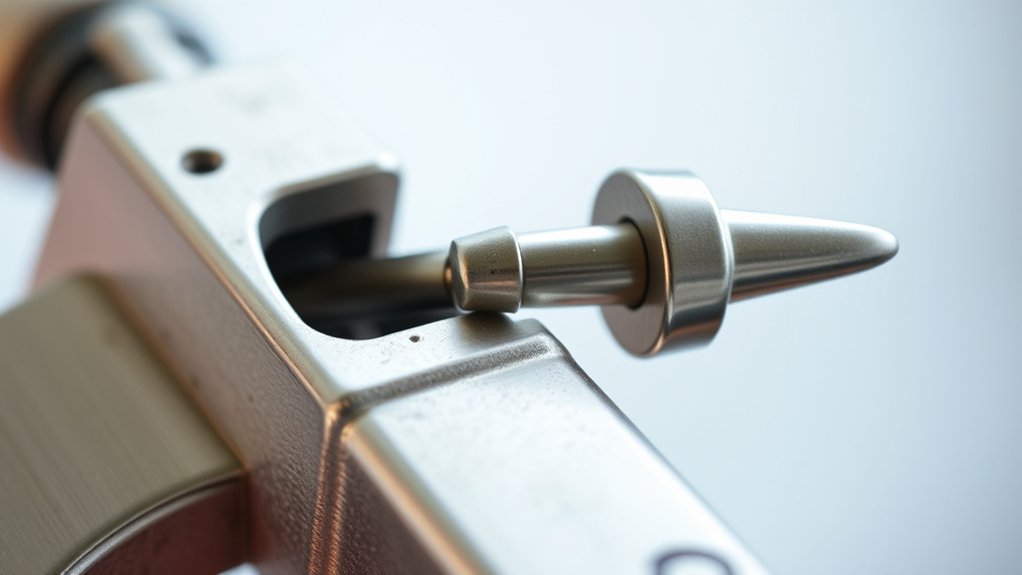
Although piercing guns are widely used for their convenience, they can’t be properly sterilized because their plastic construction prevents effective autoclaving.
This limitation means piercing guns retain blood and body fluids within internal components, creating a significant risk of cross-contamination.
Antiseptic wipes fail to sanitize these internal mechanisms adequately, leaving harmful bloodborne pathogens, like hepatitis viruses, viable on surfaces for extended periods.
When you use a piercing gun on multiple clients without proper sterilization, you increase the likelihood of infection and complications.
This unresolved contamination issue makes piercing guns a public health threat, as they can’t meet the rigorous sterilization standards required in professional body modification.
Understanding these risks highlights why piercing guns fall short of safe sterilization practices.
How Piercing Guns Cause More Tissue Damage
When you use a piercing gun, the blunt force it applies causes significant tissue damage similar to crush injuries. This increases pain and swelling at the piercing site.
Piercing guns deliver blunt force trauma that shatters cartilage and damages surrounding tissue, which raises the risk of complications like auricular chondritis.
This trauma messes with the healing process, often leading to scar tissue formation and keloids.
Also, the spring-loaded mechanism can lodge sharp jewelry improperly, causing more trauma during removal.
Since piercing guns often use non-sterile equipment, they increase the risk of severe infections, making tissue damage worse and recovery longer.
Unlike precise needle techniques, the uncontrolled force and lack of sterilization with piercing guns make tissue damage more severe.
Healing becomes more complicated because of these factors.
Risks From Poor-Quality Jewelry Used in Piercing Guns
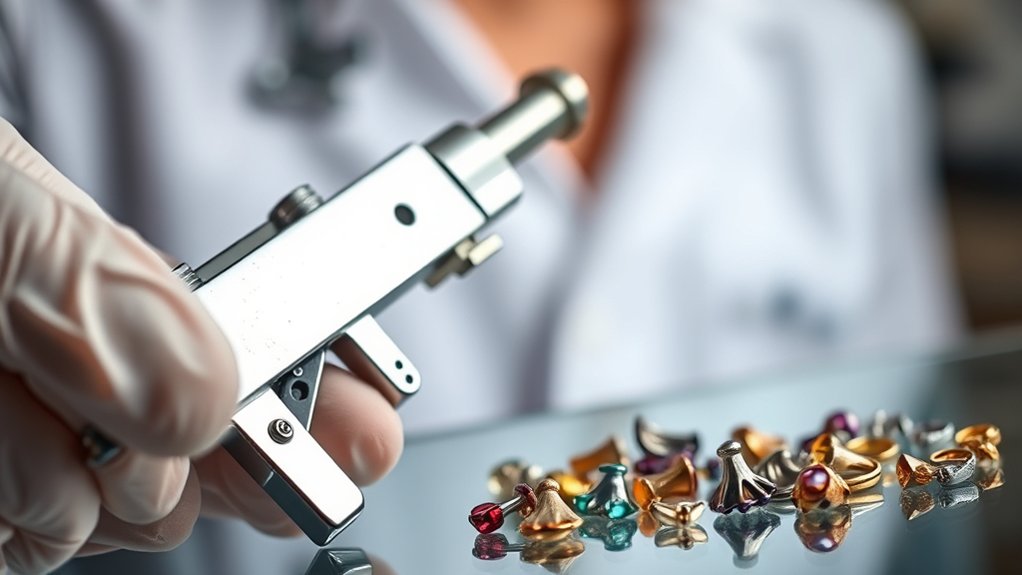
Poor-quality jewelry used in piercing guns considerably increases the risk of complications because it often lacks FDA or ASTM certification. It also tends to be made from non-implant grade metals. This means you’re more likely to face allergic reactions, healing issues, tissue compression, and cytotoxicity caused by corrosion and surface defects.
When non-implant grade materials leach harmful alloys, it worsens tissue response and raises the risk of infection. So, it’s really important to know what kind of jewelry is being used in your piercing gun.
| Jewelry Feature | Risk Factor | Consequence |
|---|---|---|
| Non-implant metals | Cytotoxicity | Delayed healing |
| Butterfly back design | Fluid accumulation | Bacterial infection |
| Surface defects | Increased corrosion | Allergic reactions |
| Poor fit | Tissue compression | Embedding, surgical removal |
| Lack of certification | Unknown material safety | Unpredictable complications |
Avoid piercing guns with poor-quality jewelry to reduce these risks and promote safer piercings. It’s definitely worth being cautious when choosing where and how to get pierced!
How Using Piercing Guns Wrong Can Cause Serious Problems
Choosing high-quality jewelry for your piercing gun reduces some risks, but improper use of the gun itself can still cause serious problems.
Piercing guns apply blunt force that causes significant tissue trauma, leading to increased pain, swelling, and prolonged healing.
You also risk improper placement, especially on cartilage, which can result in auricular chondritis, a painful and potentially severe infection.
Most piercing guns are made from plastic, which can’t be fully sterilized. This increases infection risks through cross-contamination.
Incorrect use increases the chances of embedded earrings and keloids.
Because the tissue damage is more extensive than with needles, healing takes longer and complications become more common.
Understanding these risks shows why misuse of piercing guns demands caution and why proper technique is essential to minimize harm.
Missing Training and Safety in Piercing Gun Use
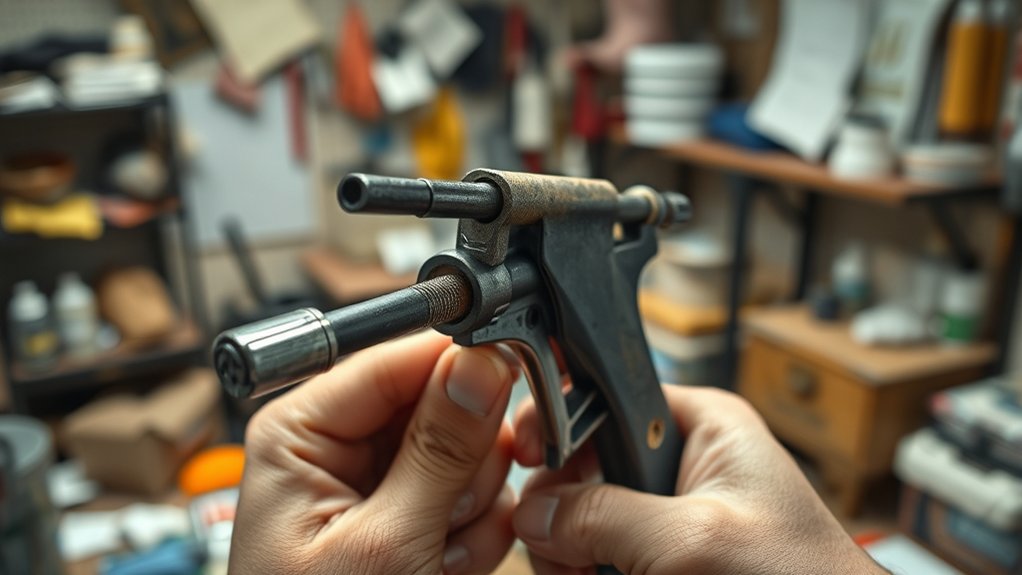
Although piercing guns are widely used, many establishments fail to provide standardized training for their operators. This results in inadequate understanding of the associated risks and complications.
Without extensive training programs, you might find that operators lack proper knowledge of handling and risk management. This gap often leads to improper techniques, like using piercing guns on unsuitable areas, even though manufacturers warn against it.
Essential skin penetration guidelines are also frequently left out of training. That only increases the chances of serious tissue damage.
Plus, the absence of strict oversight means some establishments operate without following safety standards. This obviously raises health risks for clients.
To keep these risks and complications to a minimum, it’s really important that operators go through rigorous, standardized training programs focused on safe piercing gun use and risk mitigation.
Healing Time: Piercing Guns vs. Needle Piercings
Understanding the risks linked to piercing gun use naturally leads to examining how these risks affect healing time. Gun piercings inflict blunt force trauma, causing significant tissue damage that prolongs healing and increases swelling. This trauma raises the likelihood of complications compared to a needle piercing, which uses a sterile, single-use needle to create a clean, precise puncture.
As a result, needle piercings generally heal faster and with fewer issues. Furthermore, gun piercings are associated with a higher incidence of infections, which further delays recovery.
Needle piercings often utilize implant-grade materials that minimize irritation and support efficient healing, unlike the substandard jewelry common in gun piercings.
If you want a quicker, safer healing process, a needle piercing is the more reliable choice. It just makes sense to go with the option that’s cleaner and gentler on your body.
How to Spot and Avoid Infection From Piercing Guns
Since piercing guns can’t be fully sterilized like medical instruments, they often harbor blood and bodily fluids that increase infection risks.
When you get pierced with these guns, excessive pressure can cause blunt force trauma. This leads to inflammation and makes you more likely to get an infection.
Jewelry with butterfly backs may trap body fluids and bacteria, which can raise infection risks even more.
To spot infection early, watch for signs like persistent redness, swelling, yellow discharge, and ongoing pain at the piercing site.
Avoiding infection starts with choosing a piercer who follows strict protocols for proper sterilization.
Make sure they use single-use or thoroughly sterilized equipment.
Aftercare is important too, but recognizing these warning signs quickly helps you get professional help before things get worse.
Best Practices for Piercing Aftercare
Proper piercing aftercare involves several key steps that help prevent infection and promote healing. To care for your piercing effectively, follow these best practices:
Clean the piercing twice daily using a sterile saline solution to minimize infection risk and support healing. Avoid touching or twisting the jewelry, as this can cause irritation and introduce bacteria.
Keep hair and clothing away from the fresh piercing to prevent snagging and further irritation. Sleep on the opposite side of the new piercing to reduce pressure and discomfort during healing.
Additionally, choose jewelry made from implant-grade titanium or solid gold to guarantee biocompatibility and reduce allergic reactions.
Adhering to these aftercare guidelines will greatly enhance your piercing’s healing process and lower the chances of complications.
Why Professional Piercers Use Single-Use Sterile Needles
Aftercare plays an essential role in piercing health, but the initial method of creating the piercing also greatly affects healing and safety.
Professional piercers use single-use sterile needles to reduce infection risk and guarantee hygiene protocols are strictly followed. Unlike piercing guns, which cause blunt force trauma and increased tissue damage, sterile needles create a precise, clean puncture.
This controlled technique promotes faster healing and minimizes swelling and discomfort. Single-use needles are discarded immediately, preventing cross-contamination. They also allow for accurate piercing in sensitive areas like cartilage and septum, where precision is critical.
How to Choose a Safe Piercing Method
When you’re picking a piercing method, it’s really important to go for studios that use sterile, single-use needles. This helps keep infection risks way down.
Also, check that they stick to strict hygiene practices—you want everything to be super clean.
Another thing to look out for is the jewelry. Make sure it’s made from implant-grade materials like titanium or surgical stainless steel. These materials help prevent allergic reactions, so you don’t have to worry about any surprises.
And don’t forget about the piercer! It’s a good idea to verify that they’re professionally trained and follow industry safety standards. That way, you can be confident they’ll use the right technique and take good care of you throughout the process.
Sterilization And Hygiene
Although piercing guns may seem convenient, they pose considerable sterilization challenges that compromise hygiene and safety.
Piercing guns contain plastic components that can’t endure autoclave sterilization, increasing the risk of infections and contamination. Antiseptic wipes fail to sanitize internal parts, leaving pathogens behind.
On top of that, their design can create a micro spray of bodily fluids, contaminating the environment and elevating disease transmission risks.
To guarantee safety, you should:
- Choose a professional piercing studio with strict hygiene protocols.
- Confirm they use single-use needles, which assure sterility.
- Avoid piercing guns due to inadequate sterilization capabilities.
- Prioritize tools that can be properly sterilized to minimize infections and contamination.
Picking needle piercings from reputable studios really improves your piercing’s sterilization and hygiene standards.
It’s just a safer choice overall.
Jewelry Material Safety
Choosing the right jewelry material plays a critical role in the safety and success of your piercing. Prioritize implant-grade titanium (ASTM F67, F136) or ASTM F138 stainless steel to reduce allergic reactions and guarantee biocompatibility. Avoid plated or substandard metals that can leach harmful alloys, increasing infection risk.
Solid gold is ideal for healed piercings due to its hypoallergenic properties. Make sure your jewelry has smooth surfaces without sharp edges to prevent debris buildup.
| Material Type | Safety Considerations |
|---|---|
| Implant-Grade Titanium | High biocompatibility, hypoallergenic |
| ASTM F138 Stainless Steel | Sterile, minimizes allergic reactions |
| Solid Gold | Hypoallergenic, suitable for healed piercings |
| Plated Jewelry | Risk of leaching, allergic reactions, infections |
Picking the right materials helps guarantee jewelry material safety and reduces the chance of complications. It’s worth taking the time to choose carefully!
Professional Piercing Standards
Since your safety depends heavily on the piercing method, you should guarantee the professional you select follows rigorous standards.
Unlike guns, professional piercers use single-use, sterile needles in a controlled, sterile environment to minimize infection risks.
To choose a safe piercing method, look for strict adherence to safety standards, including autoclaving equipment before each use.
Also, they should use implant-grade titanium or solid gold jewelry to reduce allergic reactions.
Make sure the staff is trained to identify complications and provide accurate aftercare guidance.
And don’t forget to check that the studio is clean and prioritizes hygiene and employee training.
It really makes all the difference!
Frequently Asked Questions
Can Piercing Guns Be Used on All Types of Body Piercings?
You shouldn’t use piercing guns on all body piercings because piercing gun safety varies with anatomical considerations. They’re designed mainly for earlobes; using them on cartilage or other areas raises infection risks and prolongs healing time.
Professionals recommend sterile needles for non-lobe piercings to minimize complications.
Also, piercing guns limit jewelry options and can cause tissue damage. Following proper aftercare instructions is essential to avoid adverse outcomes.
Are Piercing Guns Louder or More Painful Than Needles?
You mightn’t expect it, but piercing guns are both louder and more painful than needles. The sound intensity from the spring-loaded snap can spike your anxiety, which then affects how you feel pain.
Guns cause blunt trauma, which means they can increase healing time and infection risks. Their reduced piercing accuracy makes aftercare more complicated and often leads to swelling.
However, personal preferences do vary. Some people tolerate guns better despite these drawbacks.
Understanding these factors can help you choose the safest and most comfortable option for yourself.
What Materials Are Commonly Used for Piercing Gun Jewelry?
Piercing gun jewelry materials often include low-quality metals like non-implant grade stainless steel, which don’t meet safety standards. These can increase infection risks and allergic reactions.
Professionals recommend implant-grade materials such as titanium or surgical stainless steel for better biocompatibility.
Aftercare advice is essential to minimize prolonged healing times and complications. To guarantee your piercing heals properly, follow professional recommendations and avoid jewelry lacking proper certification.
It’s really important to choose the right materials and care for your new piercing to keep things safe and comfortable.
Can Children Safely Get Piercings With a Piercing Gun?
Imagine a child who gets pierced with a gun and develops an infection because of poor sterilization.
Piercing guns often cause higher pain levels and can make the healing process more complicated. The risk of infection goes up since many guns can’t be properly sterilized.
Age restrictions for piercing vary, but most professionals recommend using sterile needles instead.
It’s really important to follow professional aftercare instructions carefully.
Still, piercing guns tend to pose more risks overall. So, you should always prioritize expert advice for safer, cleaner piercings.
How Much Does a Piercing Gun Procedure Typically Cost?
You’ll typically find the cost of a piercing gun procedure ranges from $20 to $50. This depends a lot on where you’re and things like the quality of the jewelry.
Professional studios usually include the cost of jewelry and aftercare in the price. On the other hand, DIY options might seem cheaper but they come with risks you should consider.
Also, watch out for hidden fees that might pop up for premium materials or special aftercare products.
Prices can vary quite a bit, so picking a reputable studio is the best way to ensure a safer procedure and clear pricing.
Conclusion
Think of a piercing gun like using a hammer to stitch fabric. It’s quick but rough and can cause damage or infection. Studies show piercing guns often harbor bacteria because they aren’t completely sterilized, which raises the chance of infection.
You deserve precision and safety, and that comes from sterile, single-use needles. Picking a professional piercer who uses the right tools helps your body heal smoothly and avoids complications.
Don’t take a risk with your health. Always choose methods made for safe, clean piercing every time.