How to Open a Gun Safe With a Combination in 10 Steps
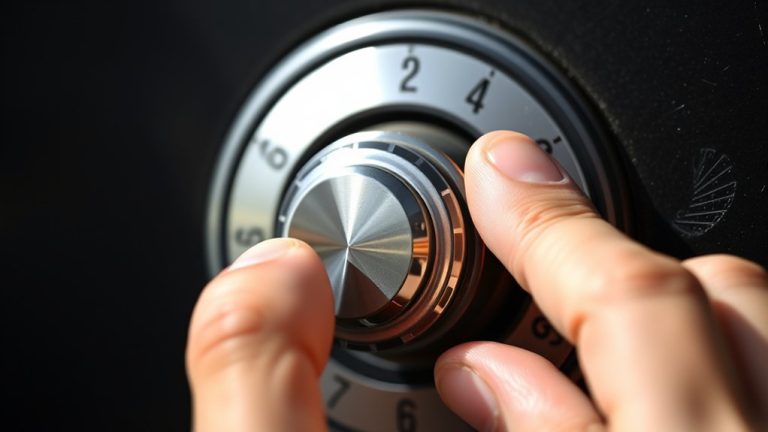
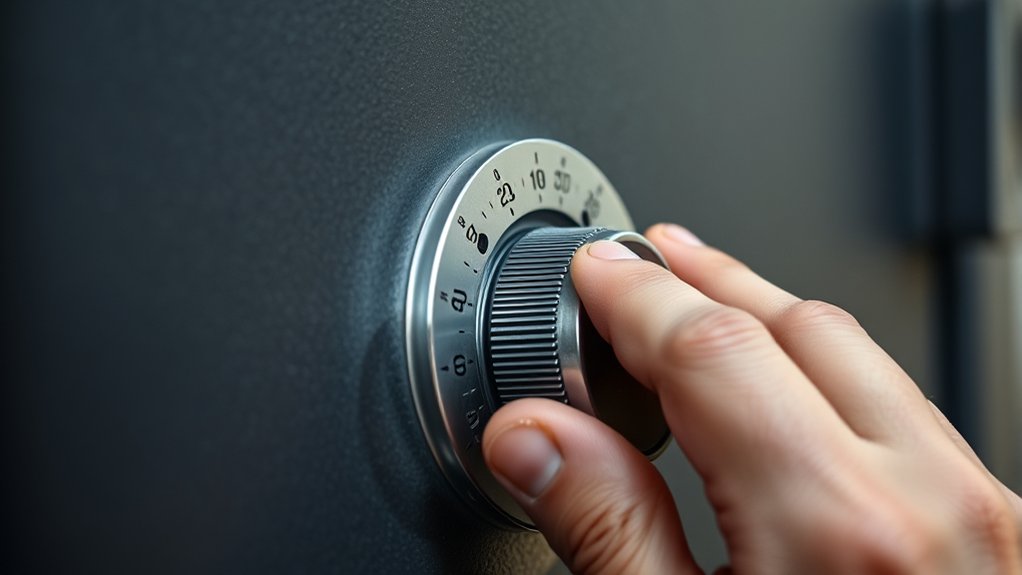
To open your gun safe with a combination, first identify the lock type and locate your code. Turn the dial counterclockwise four times, stopping on the first number. Next, turn clockwise three times, landing on the second number, then counterclockwise twice to the third number.
After that, turn the dial clockwise past resistance and pull the door open. Always verify your combination beforehand to avoid lockouts.
If you want more detailed guidance or alternatives, keep exploring these reliable methods. It’s worth knowing a few tricks to make sure you can always get into your safe.
Identify Your Gun Safe Lock Type
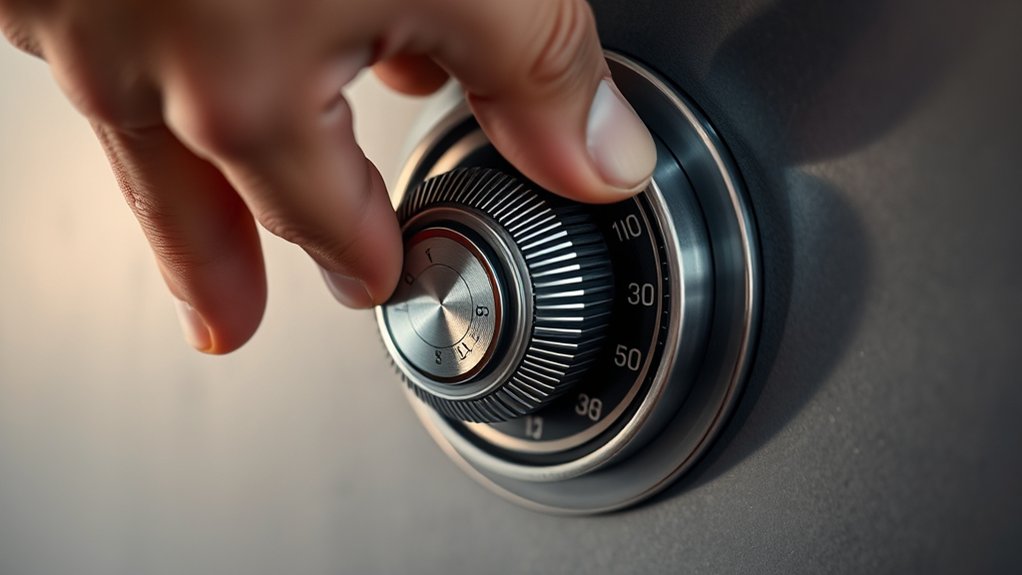
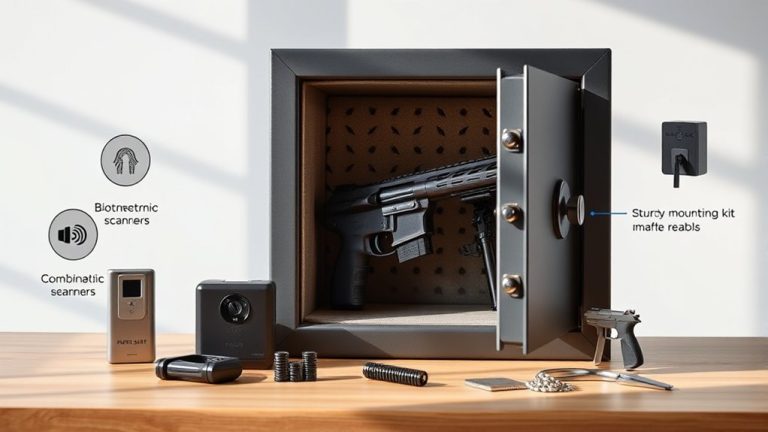
There are four common types of gun safe locks you need to recognize before attempting to open your safe: combination dial, electronic keypad, keyed lock, and biometric scanner.
To access your gun safe effectively, first identify the type of locking mechanism it uses. A combination dial relies on mechanical locks where turning the dial aligns internal parts to the correct numbers, allowing you to open a combination.
Electronic keypads require entering a code, while keyed locks need a physical key. Biometric scanners use fingerprint recognition. Understanding the lock type helps you apply the right method, prevents damage, and guarantees your safe remains secure.
Always keep your combination or key in a secure place to maintain access and protect your firearms.
It’s really important to know what kind of lock you’re dealing with before trying to open your safe. That way, you avoid any unnecessary trouble or damage.
Find and Verify Your Gun Safe Combination or Key
Before attempting to open your gun safe, locate and verify the combination or key needed for access. Start by checking the user manual for the stored combination or any default codes.
If you can’t find the combination, reach out to the manufacturer or an authorized dealer for help with recovery.
Always keep your access codes in a locked drawer or safe log to prevent unauthorized access. For safes with keyed locks, make sure you have a backup key stored somewhere safe but easy to get to.
Store access codes securely and keep backup keys in a safe, accessible location to prevent unauthorized access.
Verifying your combination or key ahead of time helps avoid delays and potential lockouts.
Taking these steps ensures you can access your safe smoothly and keep it secure over time.
How to Open Your Gun Safe Using the Combination
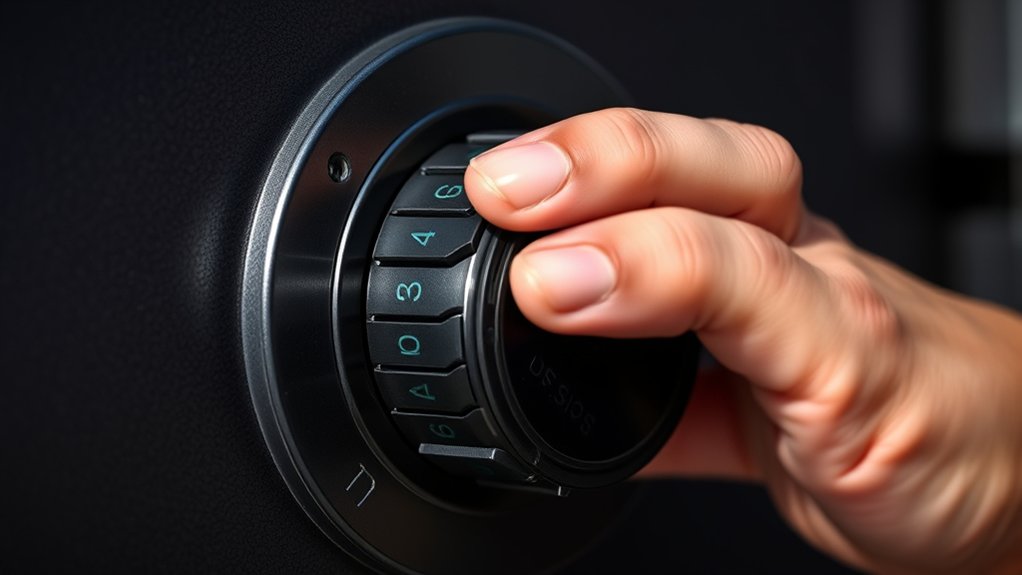
To open your gun safe with the combination, you’ll need to follow a specific dialing sequence. First, start by turning the dial counterclockwise.
Then, alternate the direction of the dial based on the numbers in your combination.
Once you’ve completed the sequence, turn the hub clockwise while pushing the door. After that, just pull the door open, and your safe is ready to use.
It’s pretty straightforward once you get the hang of it!
Dialing Sequence Breakdown
Mastering the dialing sequence is essential for opening your gun safe quickly and securely.
To open a gun safe with combination locks, start by turning the dial to the left four times, stopping on the first number, 25, at the fourth turn. This is your first check.
Next, dial clockwise three times to align the second number, 8, stopping precisely on it after the third turn.
Then, turn the dial to the left twice to align the third number, 72, stopping on the second turn.
Finally, dial clockwise until the mechanism stops near 85, passing resistance.
At this point, you’ve aligned each number correctly.
Without skipping steps, turn the handle clockwise while pushing the door, then pull the handle to open the safe.
Final Door Opening
Complete the releasing process by carefully turning the hub clockwise while applying gentle pressure on the safe door.
After correctly turning the dial through the prescribed sequence—left four times to the first number (25), right three times past the second number (8), left two times to the third number (72), and a final right turn stopping near 85—you engage the lock mechanism fully.
This fourth turn guarantees the combination lock disengages, allowing you to open your safe smoothly. As you turn the hub clockwise, maintain steady pressure to avoid jamming.
Once the lock mechanism releases, pull the hub to open the safe door completely.
Following these precise steps lets you access the safe via non-destructive entry, preserving the integrity of your lock and safe door.
Check and Replace Gun Safe Electronic Keypad Batteries
Although many gun safes operate reliably for long periods, you should regularly check and replace the electronic keypad batteries to prevent lockouts and guarantee smooth access. Inspect the batteries at least once a year or sooner if the keypad displays delayed responses or error beeps. These are signs of weakening power.
Locate the battery compartment, which is typically on the back or bottom of the keypad. Follow the manufacturer’s instructions carefully when replacing the batteries. Use only high-quality batteries recommended by the manufacturer to ensure peak performance and longevity.
After installing new batteries, test the keypad thoroughly to confirm it’s working properly before closing the safe.
Doing this kind of regular maintenance will help you avoid lockout situations and keep consistent, reliable access to your gun safe.
Use Your Key to Unlock a Gun Safe
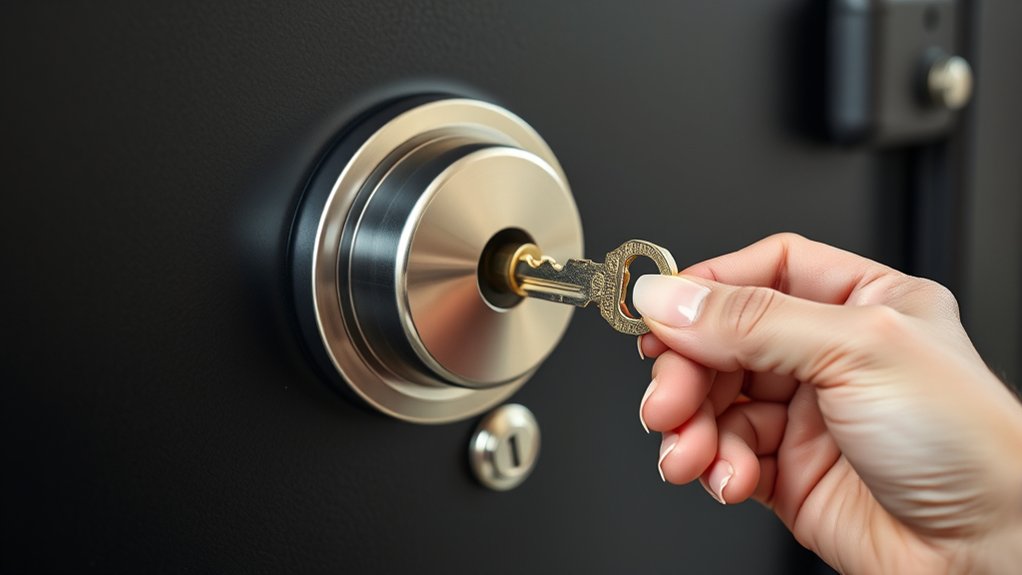
Insert the original key carefully into the keyhole, making sure it fits smoothly.
Don’t force it in. Double-check that you’re using the right key to avoid any damage to the lock.
If you feel any resistance when turning the key, stop and take a moment to look inside the keyhole for anything blocking it before you try again.
Key Insertion Techniques
To access your gun safe effectively, you’ll need to use the correct key and turn it clockwise to engage the locking mechanism. Always use the original key to guarantee the lock mechanism disengages the bolt properly. Avoid forcing the key if you feel resistance; instead, inspect the keyhole for obstructions.
Proper key insertion techniques will allow you to open the safe door smoothly and prevent damage. Keep a backup key in a secure, accessible place to avoid lockout situations.
| Step | Action |
|---|---|
| 1. Insert key | Use original key, align properly |
| 2. Turn clockwise | Engage lock mechanism |
| 3. Disengage bolt | Release mechanism releases bolt |
| 4. Open door | Pull door open gently |
Mastering these steps guarantees you can always access your safe reliably.
Identifying Correct Key
Once you’ve mastered the proper key insertion techniques, confirming you have the correct key becomes your next priority. Using the correct key is essential to open a safe without damaging its security features.
Insert the key gently into the keyhole, then turn it clockwise to disengage the bolt mechanism.
If you encounter resistance, stop and inspect the keyhole for obstructions or debris rather than forcing the key. For safes with a combination lock, the key serves as a secondary security measure, so ensuring it matches the lock is critical.
Always keep a backup key in a secure but accessible location to avoid emergencies.
Regularly inspect the key and lock mechanism to maintain smooth operation and prevent potential issues that could compromise your ability to open the safe efficiently.
Handling Key Resistance
Three key steps help you handle resistance when turning your gun safe key without causing damage.
First, verify the key is the correct one and fully inserted into the keyhole to properly engage the lock mechanism.
Second, if you feel key resistance, don’t force the key. Instead, inspect the keyhole for debris or blockages.
Third, check if the locking pins retract correctly and the safe door aligns to disengage the lock smoothly. These checks can save you from damaging the lock or the key.
To maintain smooth operation, follow these tips:
Use only the designated safe key.
Inspect the keyhole regularly for obstructions.
Insert the key fully, with a slight wiggle if needed.
Avoid forcing the key against resistance.
Also, apply regular lubrication with graphite or silicone spray to the lock mechanism.
Doing these things keeps your safe working smoothly for years.
Enroll and Use a Gun Safe Biometric Scanner
A biometric scanner provides quick and secure access to your gun safe by using fingerprint recognition. To enroll your fingerprint, press the “START” button and scan the designated finger multiple times during registration. Make sure your finger is clean and dry for the best accuracy.
Most biometric scanners support multiple fingerprints, so several authorized users can have reliable access without compromising security. After enrollment, test the scanner repeatedly to confirm it consistently recognizes your prints. If it doesn’t, you might need to re-enroll.
Regularly check the battery status to keep the scanner working and avoid lockouts. It’s also a good idea to have alternative access methods as a backup.
Try Gentle Lock Manipulation to Avoid Damage
If your biometric scanner fails or you need an alternative method, gentle lock manipulation offers a careful approach to opening your gun safe without causing damage. This technique relies on your ability to sense internal wheel movements and subtle clicks that indicate correct combination alignment.
To maximize success, turn the dial slowly and deliberately in both directions. Avoid using excessive pressure because that could misalign or damage the lock.
Key steps to follow include:
- Use tools like dial feelers or stethoscopes to detect internal mechanisms
- Turn the dial slowly to feel subtle clicks and resistance
- Develop an understanding of the lock’s internal structure
- Avoid excessive pressure to prevent damage
- Practice regularly to improve your skill and minimize risk
Gentle lock manipulation is precise and methodical. It really helps you avoid causing damage while accessing your safe.
Drill Only as a Last Resort (Use Caution)
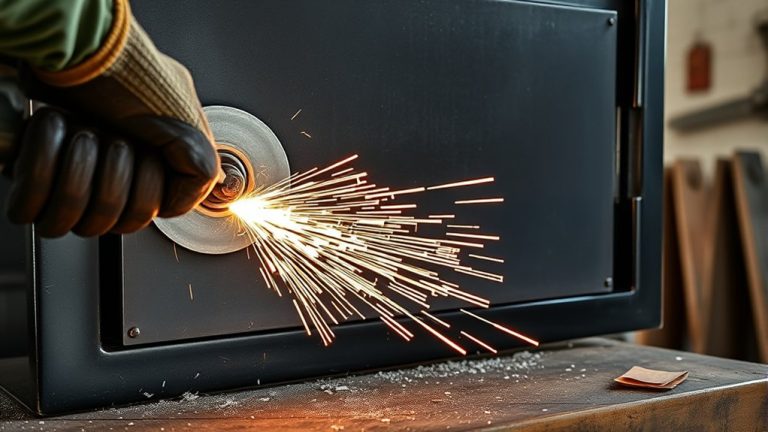
You should only think about drilling your gun safe as a last resort because it can cause permanent damage.
It’s really important to use the right drill bits and be super precise to avoid hurting any internal parts or setting off alarms.
If you’re not completely sure what you’re doing, it’s best to call a professional locksmith.
They’ve the right tools and experience to handle the job safely and correctly.
Risks of Drilling
Although drilling may seem like a straightforward solution, it carries significant risks that can permanently damage your gun safe and compromise its security.
Drilling as a last resort should be approached with caution. You want to minimize damage and avoid harming the locking mechanism.
Improper use of a high-speed drill can cause overheating or trigger alarms. To prevent lockouts and further issues, call a professional locksmith who understands lock manipulation and safe construction.
Remember, drilling reduces resale value and can expose sensitive contents.
Drilling risks damaging the safe’s structural integrity. Incorrect drill bits may cause overheating or fire. Alarm systems might activate during drilling attempts.
Professional locksmiths minimize damage and guarantee safety. Only drill after exhausting all non-destructive methods.
Proper Drill Techniques
When all non-destructive methods have been exhausted, drilling becomes the final option to access your gun safe. Use drilling as a last resort to avoid irreversible damage.
Select the correct drill bits, like high-speed steel or cobalt, to penetrate the metal safely.
Precise targeting is essential. Drill carefully to prevent harming the locking mechanism or triggering alarms. Keep a steady hand and avoid forcing the drill to reduce overheating and warping risks.
If you’re unsure, it’s best to hire a professional locksmith who’s the expertise and proper tools. They can handle the job safely and efficiently without causing unnecessary damage.
When To Call Professionals
Since drilling can cause irreversible damage and compromise your gun safe’s integrity, it should only be attempted after exhausting all non-destructive methods.
Before you drill, try default combination resets, manipulate the lock, or search for physical keys. These methods can help you gain access without causing damage.
If these options fail, consider hiring a professional locksmith. Their expertise and locksmith services minimize the risk damage poses to your safe and its contents.
Remember, drilling is a last resort because improper technique can harm internal components and trigger alarms.
Try default combinations and second number attempts. Inspect for physical keys or backup entry methods. Use non-destructive methods to avoid damage.
Hire a professional locksmith for safe access. Only drill if all other options fail to guarantee your gun safe remains secure.
Call a Professional Locksmith for Help
If you find yourself locked out of your gun safe, calling a professional locksmith is the most reliable way to regain access without risking damage.
When you call a professional locksmith for help, you engage a licensed locksmith who can quickly identify the type of lock on your safe. These experts use non-destructive techniques to access safes without causing damage, preserving your safe’s integrity.
Licensed locksmiths use non-destructive methods to quickly and safely open your gun safe without damage.
Engaging a professional not only speeds up the process of opening your gun safe but also helps maintain your safe’s warranty and functionality. Many locksmiths offer emergency services, ensuring timely assistance during stressful lockouts.
So, you won’t have to wait long when you really need help. Trusting a licensed locksmith guarantees a methodical, precise approach tailored to your safe’s model and locking mechanism.
It’s definitely worth reaching out to a pro rather than trying to force it open yourself.
Be Patient and Follow Steps Carefully
Although it’s tempting to hurry, you must stay calm and follow each step carefully when accessing your gun safe. Being patient is essential to avoid unnecessary damage and verify your gun safe opens smoothly.
Dial slowly and rotate the dial with consistent, gentle pressure, aligning each number precisely. Rushing may cause misalignment or skipping numbers, preventing the lock from disengaging. Always know the combination beforehand and practice the sequence to build confidence.
- Be patient throughout the entire release process
- Follow the steps carefully without skipping any numbers
- Rotate the dial methodically, completing full rotations as required
- Dial slowly, aligning each number exactly on the indicator
- Maintain steady pressure to protect internal lock mechanisms
This methodical approach guarantees accurate release and preserves your safe’s integrity.
Frequently Asked Questions
How Often Should I Lubricate My Gun Safe Lock?
You should lubricate your gun safe lock every 6 to 12 months to keep the lock working well and avoid any issues. It’s a simple step that can save you a lot of trouble down the line.
When following lock maintenance tips, use graphite-based lubricants. These are the best for combination lock security because they don’t attract dust like some other lubricants do.
Regular cleaning and lubricating at the right times act as great preventive measures. They help extend the lifespan of your safe and keep everything running smoothly.
This careful approach works well with different types of safe locks. It helps prevent malfunctions and boosts your overall security, so you can have peace of mind.
Can Humidity Affect My Gun Safe’s Locking Mechanism?
Yes, humidity effects can seriously impact your gun safe’s locking mechanism. Moisture buildup leads to corrosion issues and can cause wood or composite materials to swell, affecting door alignment.
To guarantee reliable safe storage, practice proper ventilation and environmental control around your safe. Regularly monitor humidity levels and use desiccants or dehumidifiers for moisture prevention.
Consistent safe maintenance helps preserve locking mechanism integrity and prevents costly damage. Taking these steps will keep your safe working smoothly and protect your valuables.
What Is the Average Lifespan of a Gun Safe Lock?
You might be surprised, but the average lifespan of a gun safe lock varies widely, typically 10 to 20 years.
Lock lifespan depends on several factors like the type of lock, how often you use it, and how well you maintain it. Electronic locks, for example, need regular battery changes, while biometric systems require cleaning.
Common lock issues usually come from neglect or debris buildup. It’s a good idea to compare different lock types to help you choose the best one for your needs.
Following maintenance tips and safety standards can save you from costly replacements down the line.
Users often highlight how important security features are, along with considering the cost.
Are There Fireproof Gun Safes With Combination Locks?
Yes, you can find fireproof gun safes with various combination lock types, including mechanical and electronic options.
Look for safes constructed with fireproof materials and certified safe ratings that guarantee fire resistance for 30, 60, or 90 minutes.
Make sure to prioritize safe brands known for robust access security and proper safe installation.
Regular lock maintenance guarantees reliability, while emergency access features help if you forget the combination.
This way, you balance protection with practical usability.
How Do I Reset My Gun Safe Combination Safely?
To reset your gun safe combination safely, first identify your combination lock type, whether it’s electronic or manual. This helps you follow the correct reset method for your specific lock.
Next, open the safe and locate the reset button or switch near the lock. Engage this button to start the reset process.
Enter your new combination carefully. Then, test it multiple times to make sure everything is working correctly and to troubleshoot any issues.
It’s important to keep your lock secure by documenting your new code in a safe place.
Also, remember to perform regular safe maintenance. This includes checking the installation integrity of your lock and understanding emergency opening techniques just in case you ever need them.
Conclusion
Opening your gun safe with a combination isn’t as intimidating as it seems if you follow each step methodically. While some believe forceful methods like drilling are quick fixes, they often cause more harm than good.
Instead, trust precise techniques like checking batteries, verifying combinations, or calling a locksmith. These options protect your safe and its contents.
Patience and accuracy are your best tools. They ensure you access your safe securely without unnecessary damage or frustration.